- Great Yarmouth Wellington Pier is in Norfolk, England.
- Check access, weather and local guidance before travelling.
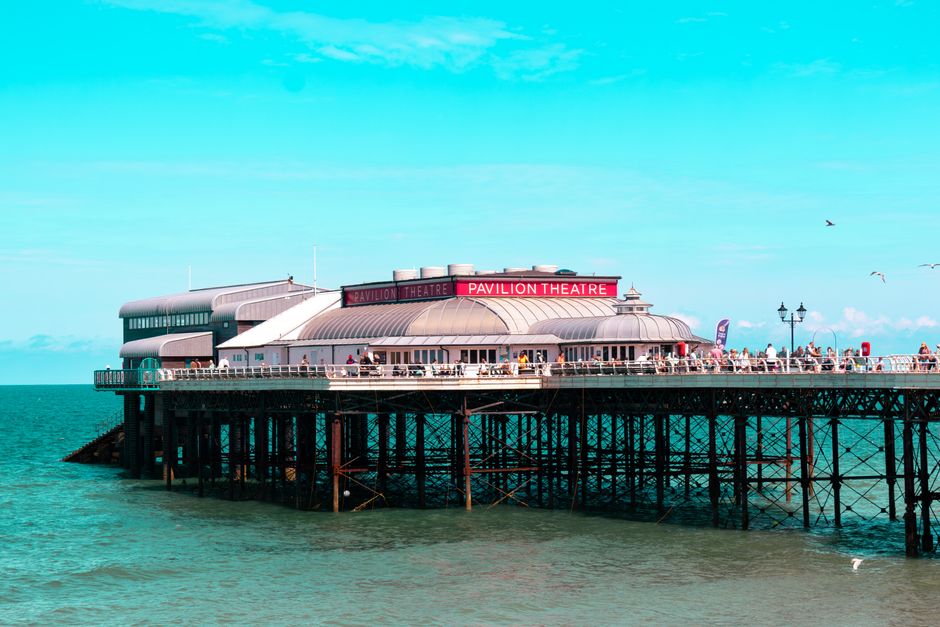
About Great Yarmouth Wellington Pier
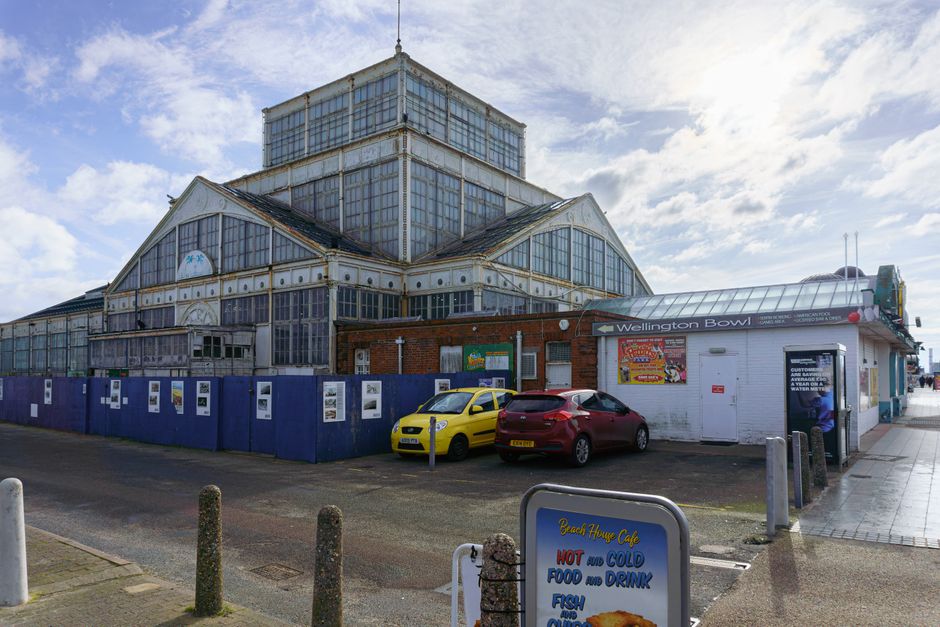
Wellington Pier is the shorter, southern pier at Great Yarmouth, less of a traditional pleasure pier and more a seafront amusement venue. It has been redeveloped as a family entertainment centre with bowling and amusements.
The story of Great Yarmouth Wellington Pier
Wellington Pier was opened in 1854, making it the older of Great Yarmouth's two piers, originally built as a promenade and landing stage by the Wellington Pier Company. The pier was extended in 1877 and a winter garden was added in 1878 to rival the Britannia Pier. The pier's entertainment focus shifted over the decades, and the original structures were largely replaced by a modern amusement building. In the early 2000s the pier was redeveloped as a family entertainment centre, losing much of its historic fabric but keeping a shortened pier platform.
Visiting with care
Open year-round, the pier is primarily an indoor amusement venue with ten-pin bowling, arcades and a bar, making it a good option on a rainy day. It is a short walk south of Britannia Pier along the Golden Mile.
Interesting facts
- Opened in 1854, making it the older of Great Yarmouth's two piers.
- A winter garden was added in 1878 to rival the Britannia Pier.
- Largely rebuilt as a modern family entertainment centre in the 2000s.
- Now houses ten-pin bowling and an amusement arcade rather than a theatre.
Getting there
Parking and access details — check locally for the latest information.