- Cromer Pier is in Norfolk, England.
- Grade II
- Check access, weather and local guidance before travelling.
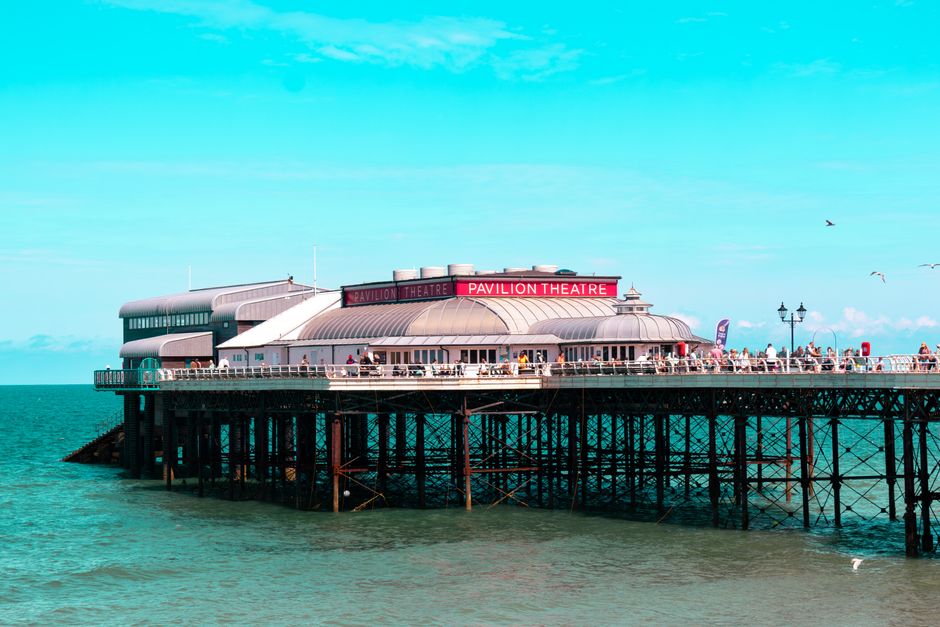
About Cromer Pier
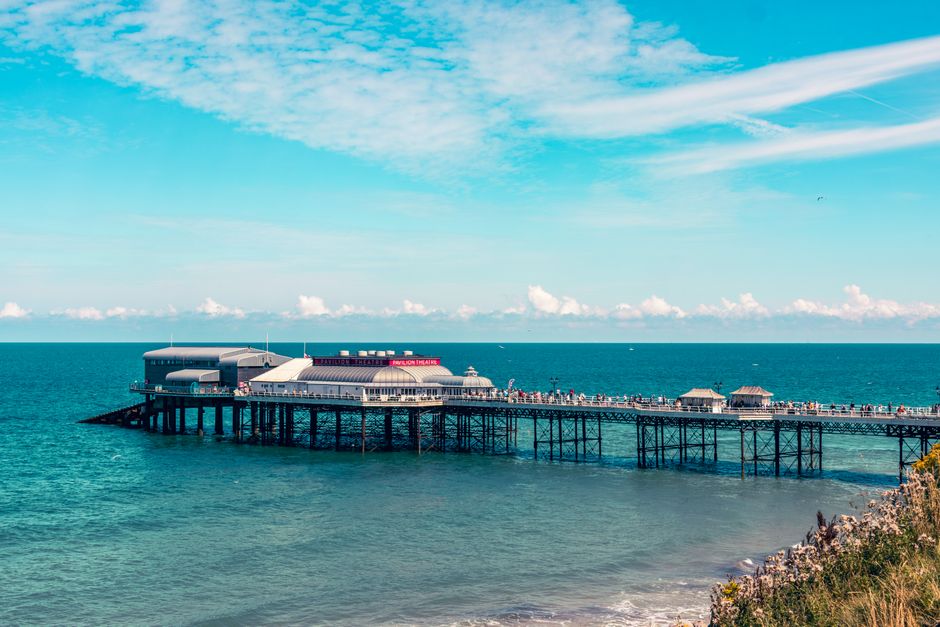
Cromer Pier is a Grade II listed pier on the Norfolk coast, home to the last remaining end-of-pier theatre in the country that still stages traditional seaside shows. Its compact, elegant structure is a landmark of the town's seafront.
The story of Cromer Pier
A pier has stood at Cromer since 1822, but the present structure was opened in 1901, designed by Frederick and Walter Runsey after the previous pier was destroyed by a storm in 1899. The pier was reduced in length during the Second World War to prevent enemy landings, and the theatre at the pier head has hosted the famous Cromer Pier Show — a traditional variety show — since 1978. The pier was badly damaged by a storm in 2013 that washed away a section of decking, but was repaired and reopened within months.
Visiting with care
Open year-round, the pier is best known for its end-of-pier theatrical shows which run a summer season and a pantomime at Christmas — book ahead for the popular Christmas show. The pier is compact and easily walked, with views along the Norfolk coast in both directions.
Interesting facts
- Home to the last end-of-pier theatre in Britain still staging traditional variety shows.
- The present pier was opened in 1901 after a storm destroyed the previous one.
- The pier was shortened in the Second World War to deter enemy landings.
- Badly damaged by a 2013 storm but repaired and reopened the same year.
Getting there
Parking and access details — check locally for the latest information.