- Blakeney NNR is in Norfolk, England.
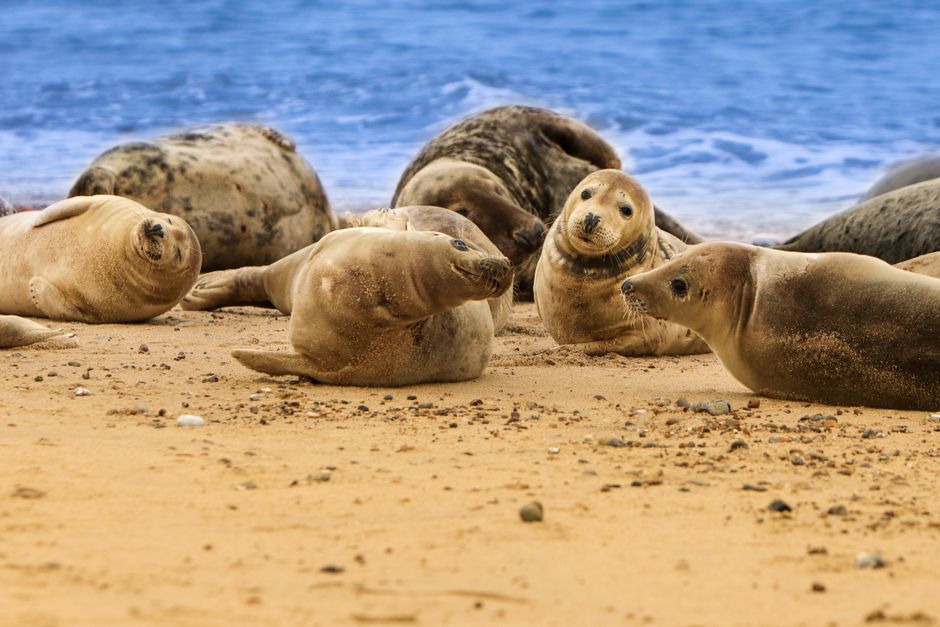
- Major grey seal colony on a shingle spit
- Check access, weather and local guidance before travelling.
About Blakeney NNR
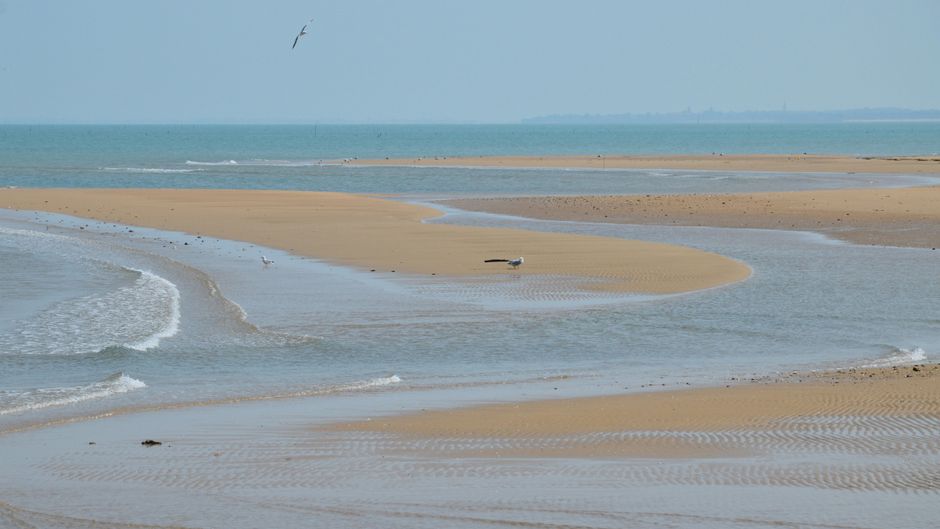
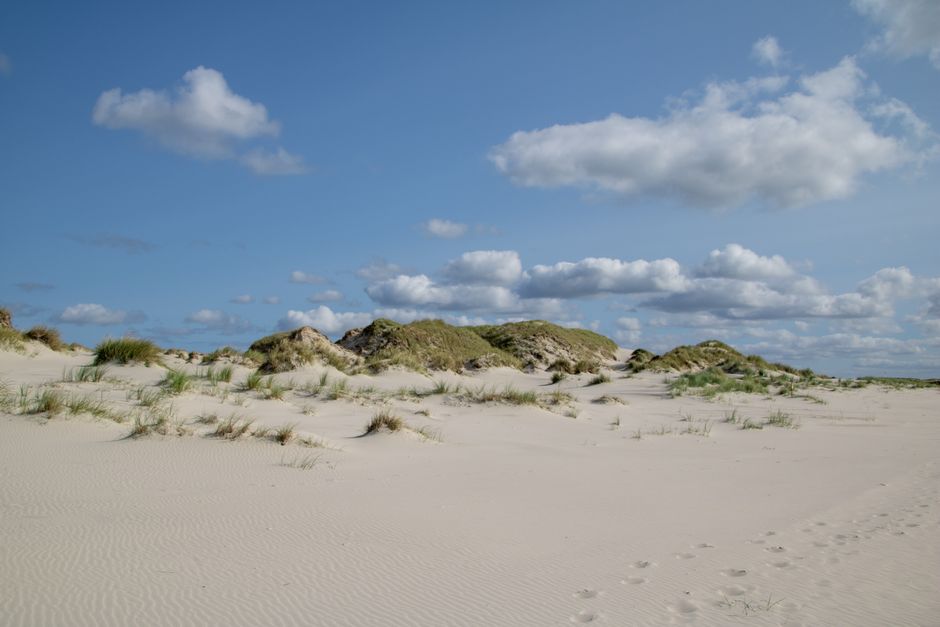
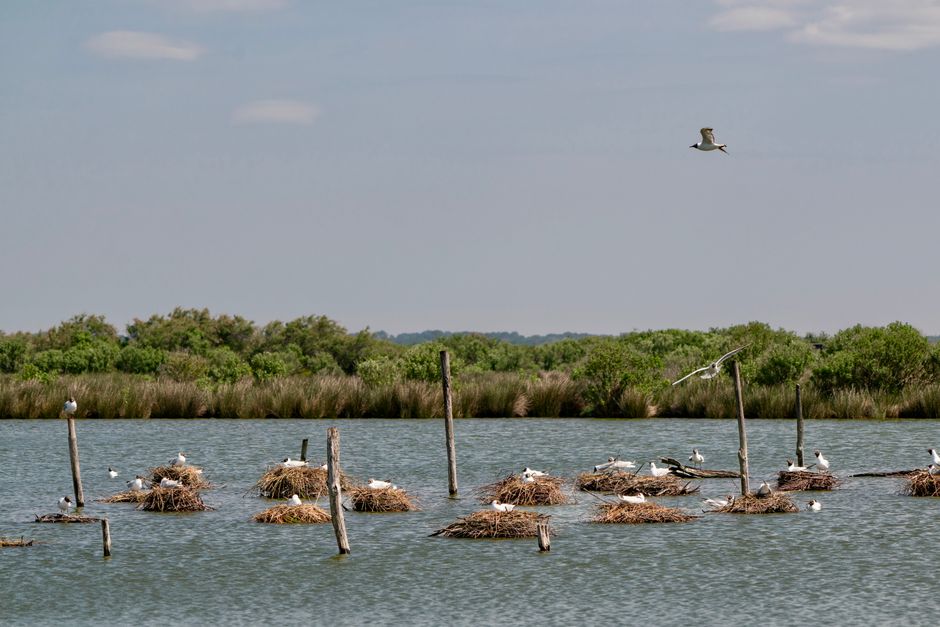
Blakeney National Nature Reserve protects the Blakeney Point shingle spit and the salt marsh, dunes and grazing marsh behind it on the North Norfolk coast. It is most famous for its grey and common seal colonies and its breeding terns, and is managed by the National Trust.
The story of Blakeney NNR
Blakeney Point was acquired by the National Trust in 1912 under the leadership of Charles Rothschild, making it one of the earliest coastal reserves in Britain and a founding example of nature conservation by acquisition. The point's distinctive shingle ridge has grown westward over centuries, and its dunes and shingle ridges were notified as an SSSI and later designated part of the North Norfolk Coast NNR. The old lifeboat house, built in 1898 and decommissioned in 1935, became a research station and warden's base and is still used by National Trust rangers today. Grey seals began pupping on the point in the 1980s and the colony has since grown to several thousand, one of the largest in England.
Visiting with care
Take a seal-trip boat from Morston Quay to land on the point and see the colony from a respectful distance, or walk the four miles along the shingle from Cley Beach at low tide. Keep well clear of fenced tern nesting areas and never approach resting seals, which can be easily disturbed.
Interesting facts
- Blakeney Point was acquired by the National Trust in 1912, one of the earliest coastal nature reserves in Britain.
- The point hosts one of the largest grey seal colonies in England, with several thousand pups born each winter.
- The old lifeboat house, built in 1898, now serves as the National Trust warden and research base.
- The reserve's breeding common, little and sandwich terns make it one of the most important tern sites in East Anglia.
Getting there
Parking and access details — check locally for the latest information.