- Gibraltar Point NNR is in Lincolnshire, England.
- Dune, salt marsh and intertidal reserve on the Wash
- Check access, weather and local guidance before travelling.
About Gibraltar Point NNR
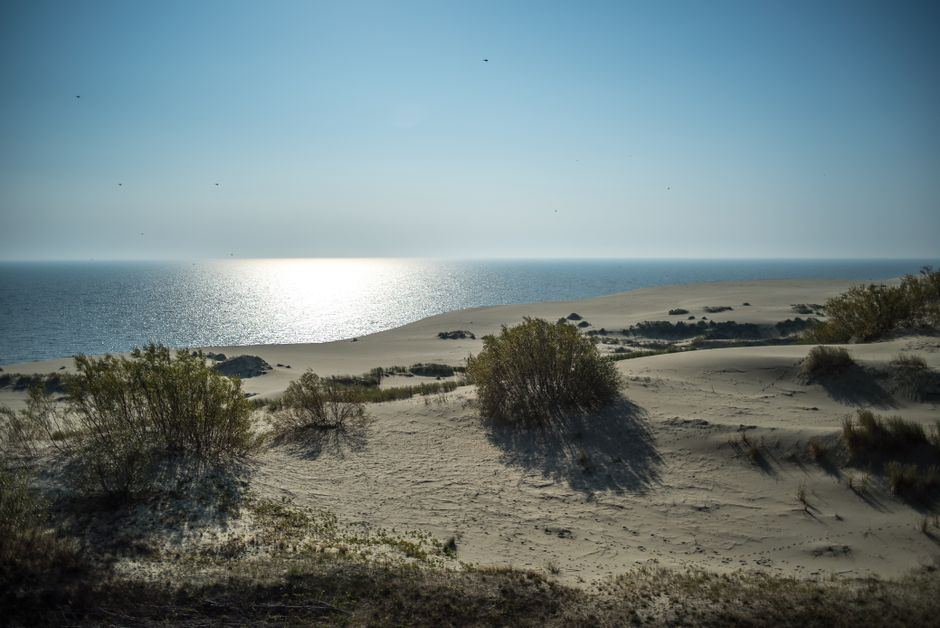
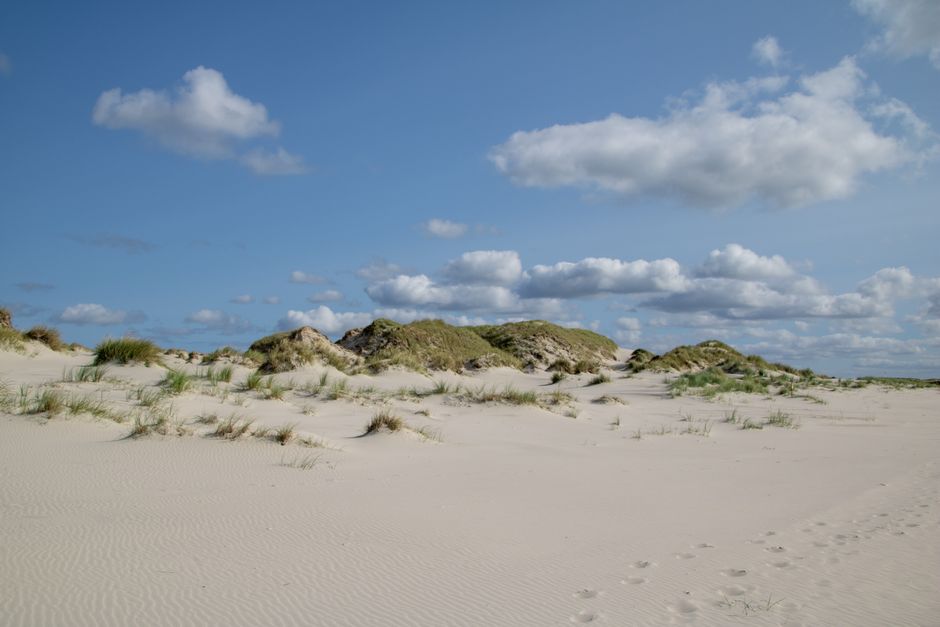
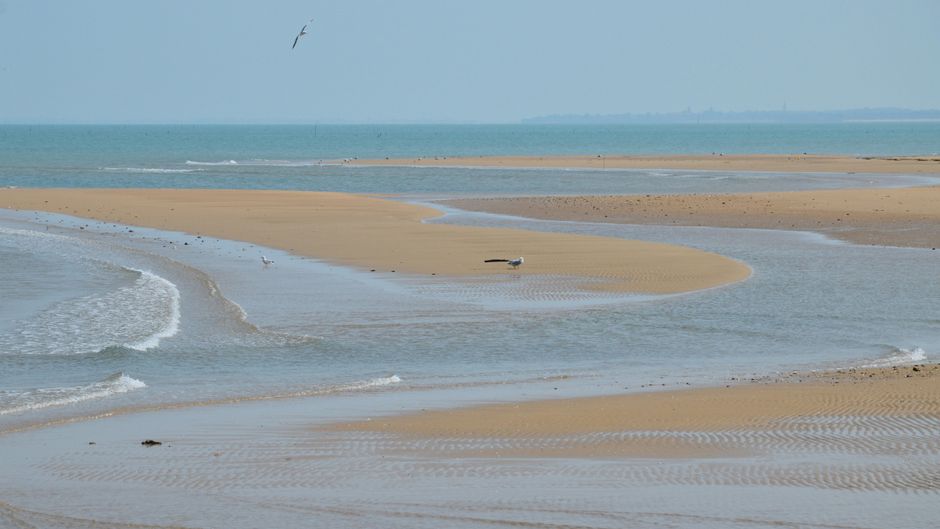
Gibraltar Point National Nature Reserve sits on the Lincolnshire coast south of Skegness, where the North Sea shore curves south-west into the great embayment of the Wash. A sequence of sand dunes, salt marsh and intertidal mudflats, it is one of the finest dune and salt marsh systems on the east coast of England and a premier site for observing bird migration.
The story of Gibraltar Point NNR
Gibraltar Point was acquired on 10 December 1948 as the first reserve of the newly formed Lincolnshire Naturalists' Trust (now the Lincolnshire Wildlife Trust), led by the conservationist Ted Smith. A bird observatory opened there in April 1949, one of the earliest in Britain, and has maintained a daily log of migration and ringing records ever since. The reserve was notified as a Site of Special Scientific Interest and later declared a National Nature Reserve, and is now managed by the Lincolnshire Wildlife Trust in partnership with Natural England. It also holds Ramsar and Special Protection Area status for its internationally important populations of wintering and passage wildfowl and waders, and has grown from its original 190 acres to cover over 430 hectares of dune, marsh and foreshore.
Visiting with care
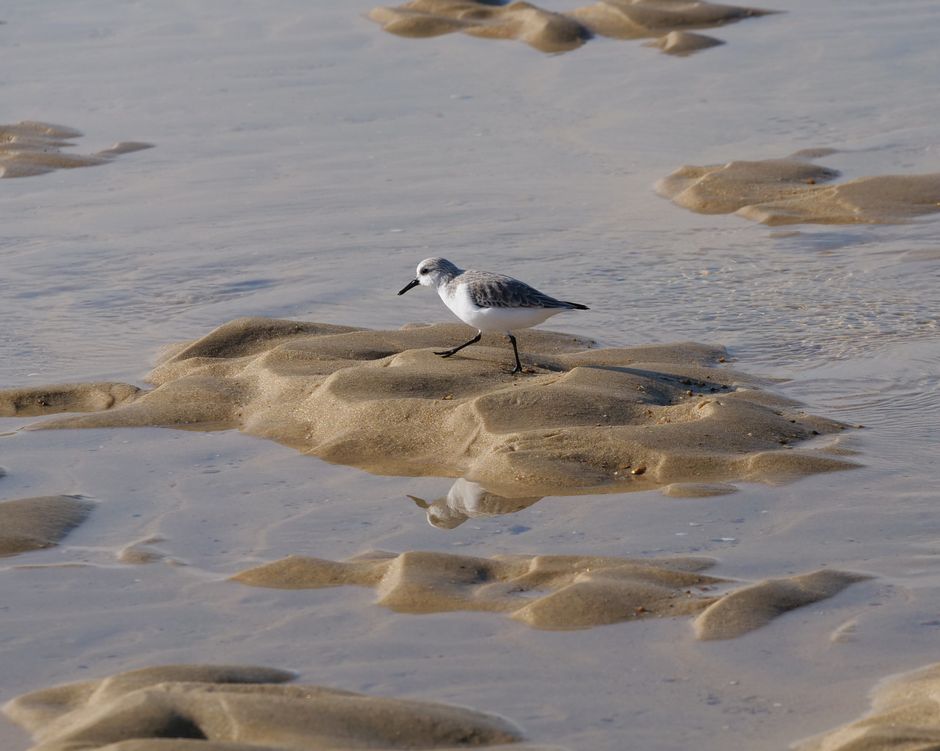
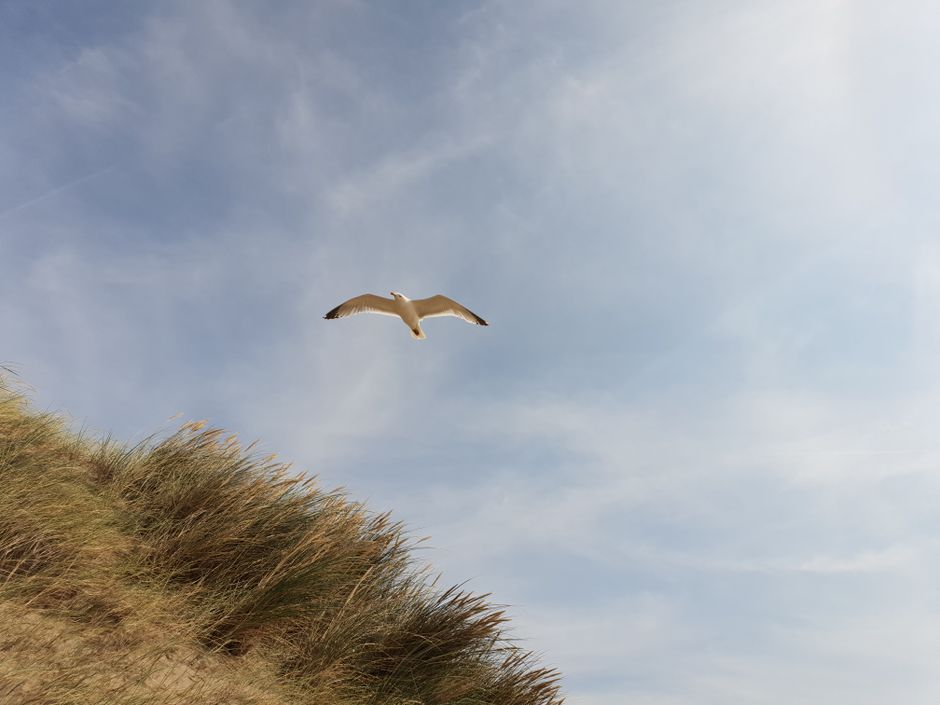
Park at the Gibraltar Point Visitor Centre south of Skegness and follow the waymarked trails through the dunes and around the salt marsh hides. Bring binoculars for migrating birds and waders on the scrapes, and check the tide times for the best mudflat viewing; dogs must be kept on leads to protect ground-nesting birds.
Interesting facts
- Gibraltar Point was acquired on 10 December 1948 as the first reserve of the Lincolnshire Wildlife Trust, led by Ted Smith.
- Its bird observatory, opened in April 1949, is one of the oldest in Britain and has kept a daily migration log ever since.
- The reserve holds Ramsar and Special Protection Area status for its internationally important wintering and passage wildfowl.
- Two parallel dune ridges, the east and west dunes, enclose a wide salt marsh and freshwater marsh that support water voles and scarce aquatic invertebrates.
Getting there
Parking and access details — check locally for the latest information.