- Lowestoft Lighthouse is in Suffolk, England.
- Trinity House's first ever lighthouse site (1609)
- Check access, weather and local guidance before travelling.
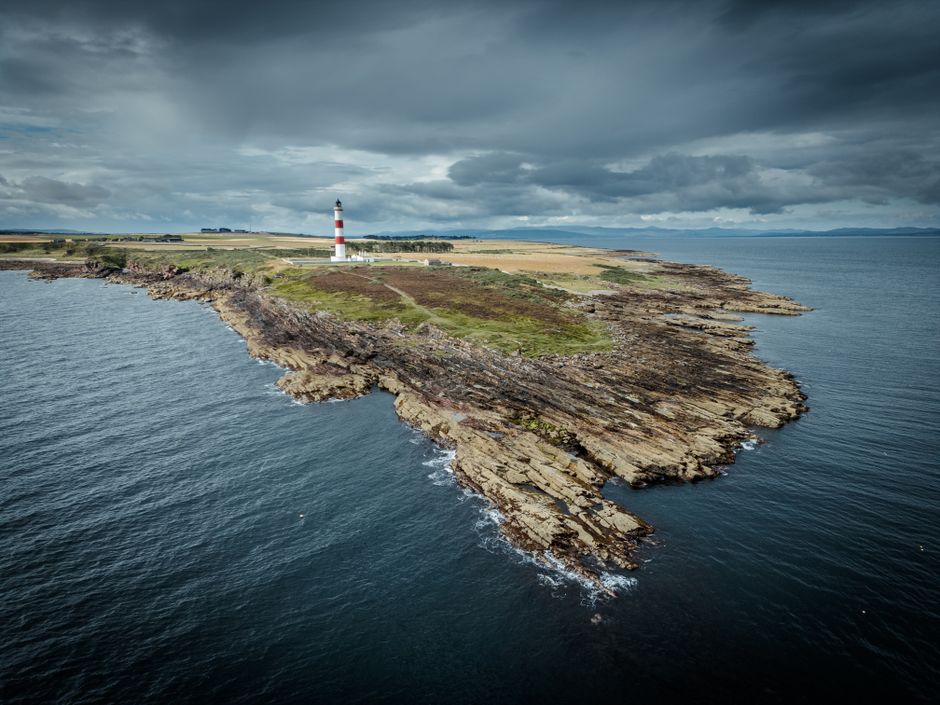
About Lowestoft Lighthouse
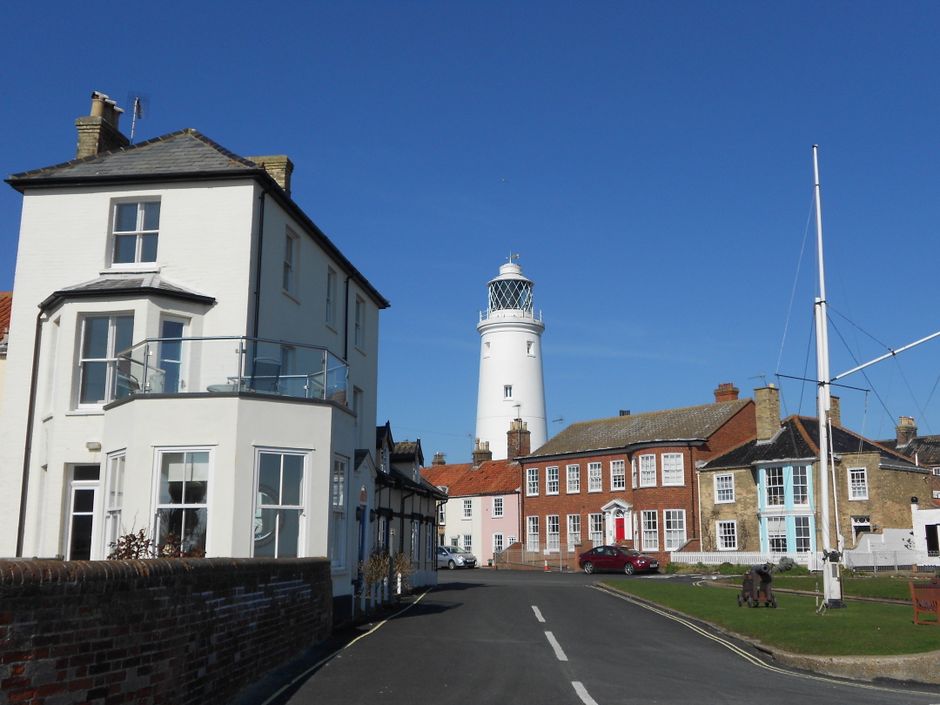
Lowestoft Lighthouse, on the most easterly point of Britain, stands on the site of Trinity House's very first lighthouse, established in 1609. The present white-painted tower remains an operational aid to navigation guiding shipping into the North Sea approaches.
The story of Lowestoft Lighthouse
The first light here was established in 1609 by Trinity House — its earliest ever lighthouse — as a pair of leading lights (Low and High) marking the safe channel into Lowestoft harbour. The current 16-metre tower was built in 1874 by Trinity House engineer James Douglass, replacing an earlier structure. The High Light was discontinued in 1923 but the Low Light, this tower, remains operational and was automated in 1975, continuing a tradition of more than four centuries of continuous light.
Visiting with care
The lighthouse stands beside the A12 and is most easily photographed from the surrounding streets or Ness Point, Britain's most easterly spot, just a short walk away. The tower itself is not open to the public but the surrounding beach and South Pier make a pleasant visit.
Interesting facts
- The original 1609 light was Trinity House's first ever lighthouse.
- It stands at the most easterly point of mainland Britain.
- The present tower was built in 1874 by engineer James Douglass.
- It has been automated since 1975 and remains operational.
Getting there
Parking and access details — check locally for the latest information.