- Saltburn Pier is in North Yorkshire, England.
- Only remaining pier in NE England
- Check access, weather and local guidance before travelling.
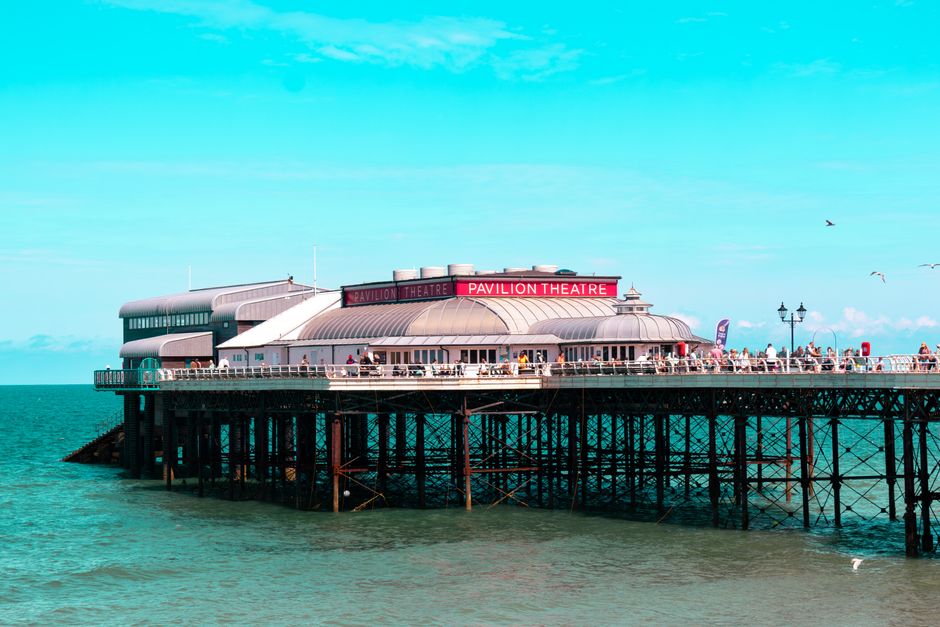
About Saltburn Pier
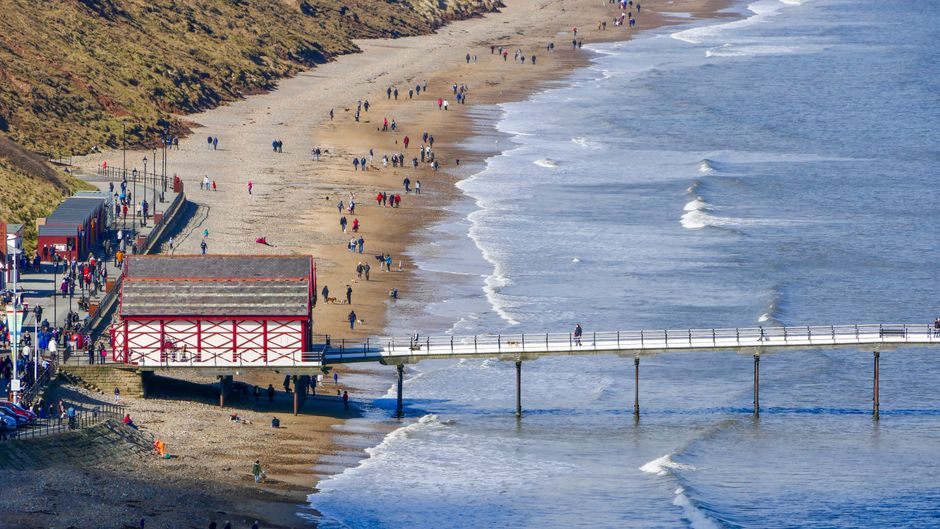
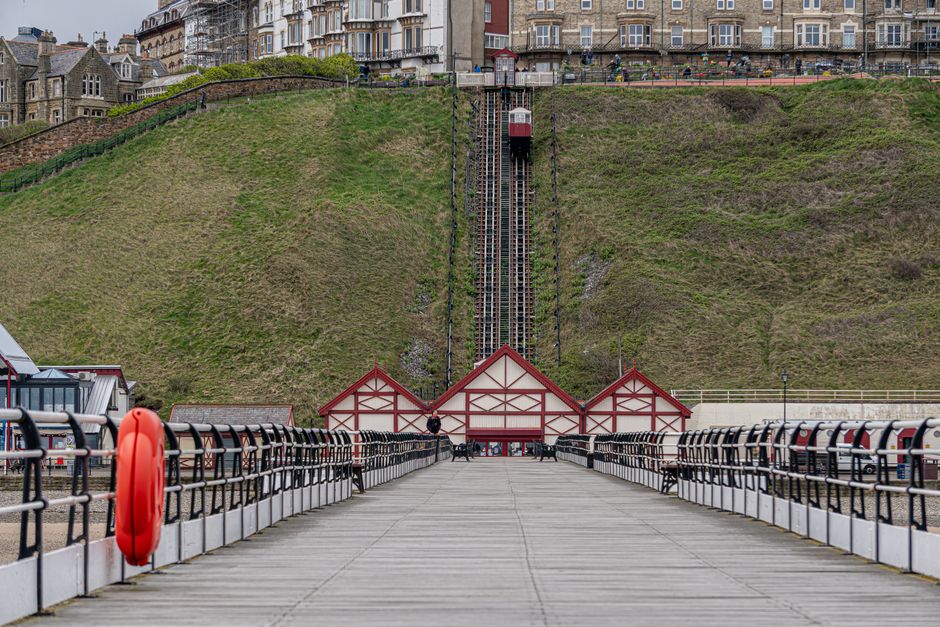
Saltburn Pier is the only remaining pier in North East England, a compact Victorian iron pier at the foot of a dramatic cliffside. It is linked to the town above by one of the oldest surviving water-balanced cliff lifts in Britain.
The story of Saltburn Pier
The pier was opened in 1869, designed by John Anderson and built by the Saltburn-by-the-Sea Pier Company for £8,000 as part of Henry Pease's grand plan for a new Victorian resort. It originally extended 1,400 feet but was repeatedly shortened after storm damage, with a major breach in 1875 and further losses in 1880 and 1896. A section was removed during the Second World War to prevent enemy landings, leaving the pier at its current 681 feet. The pier was Grade II listed in 1975 and restored by the local council in 2000, preserving it as the sole surviving pier in the North East.
Visiting with care
Open year-round, the pier is reached from the town above via the Saltburn Cliff Lift, a water-balanced funicular opened in 1884 and still in operation. The pier itself is compact and peaceful, with a small kiosk and dramatic views of the North Yorkshire cliffs.
Interesting facts
- The only remaining pier in North East England.
- Opened in 1869, designed by John Anderson as part of Henry Pease's resort plan.
- Originally 1,400 feet but shortened to 681 feet by storms and wartime sectioning.
- Linked to the town by a water-balanced cliff lift opened in 1884.
Getting there
Parking and access details — check locally for the latest information.