- Whitby is in North Yorkshire, England.
- Historic whaling and fishing port
- Check access, weather and local guidance before travelling.
About Whitby
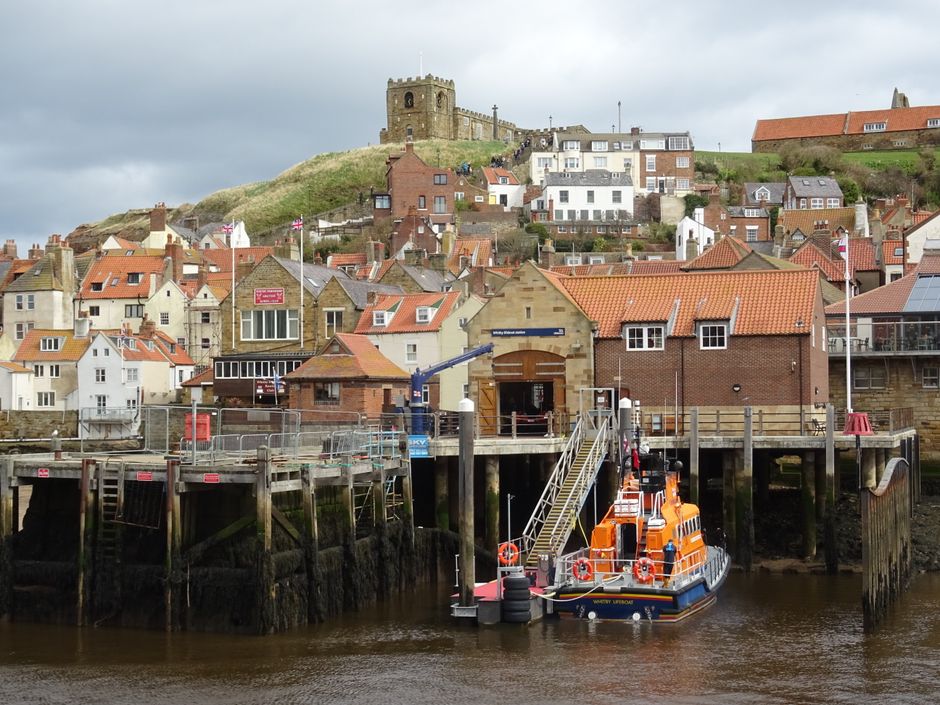
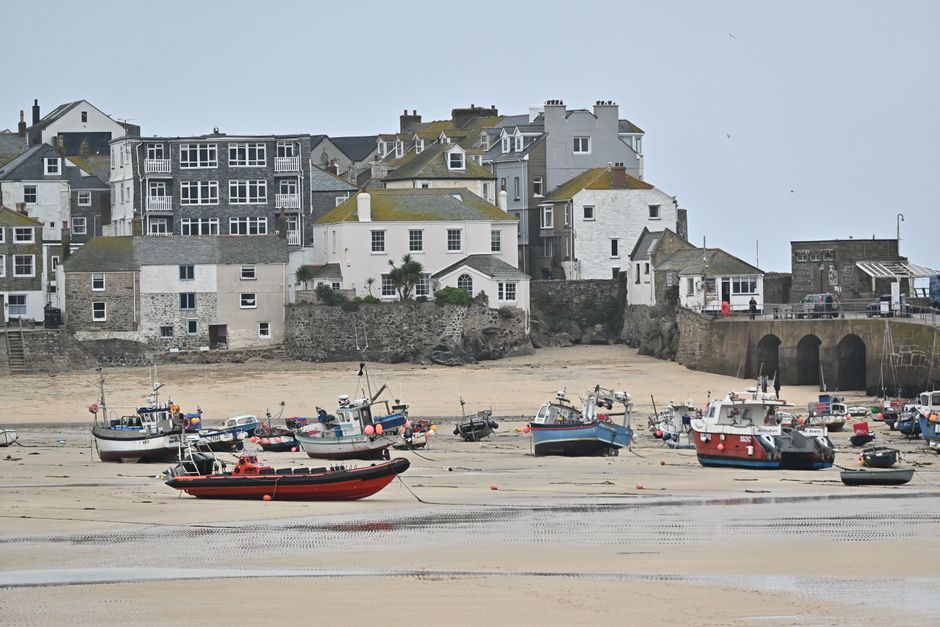
Whitby is a historic whaling and fishing port at the mouth of the River Esk on the North Yorkshire coast, its red-roofed houses climbing both banks of the narrow harbour to the ruined abbey on the East Cliff. It was the home port of Captain James Cook and the birthplace of both the Arctic whaling and the jet-jewellery trades, and is famous as the setting for Bram Stoker's Dracula.
The story of Whitby
Whitby Abbey was founded in 657 AD by King Oswiu of Northumbria, destroyed by Danish Vikings in 867 and refounded in 1078 by the Norman monk Reinfrid; its ruins dominate the East Cliff and are reached by the 199 steps cut into the cliffside. Captain James Cook served his seaman's apprenticeship in Whitby from 1746 under the shipowner John Walker, and all four of his Pacific voyage ships - Endeavour, Resolution, Adventure and Discovery - were built in Whitby shipyards as sturdy colliers. Whitby became a major whaling port after the first whale was landed in 1753, with a fleet that peaked at around 20 ships hunting the Arctic grounds before the trade declined in the 1830s. The local jet, mined in the surrounding hills, became famous as mourning jewellery after Queen Victoria wore it following Prince Albert's death in 1861, supporting hundreds of carvers. Bram Stoker visited Whitby in 1890 and set parts of Dracula here, with the Count arriving as a shipwreck on the Tate Hill Sands.
Visiting with care
Climb the 199 steps to St Mary's Church and Whitby Abbey for the classic view over the harbour and the Esk mouth, and visit the Captain Cook Memorial Museum in the house where Cook lodged. Walk the whalebone arch on the West Cliff and try Whitby's famous fish and chips.
Interesting facts
- Whitby Abbey was founded in 657 AD by King Oswiu of Northumbria and destroyed by Danish Vikings in 867.
- All four of Captain Cook's Pacific voyage ships - Endeavour, Resolution, Adventure and Discovery - were built in Whitby.
- Whitby's whaling fleet peaked at around 20 ships after the first whale was landed in 1753.
- Bram Stoker set parts of Dracula in Whitby after visiting the town in 1890.
Getting there
Parking and access details — check locally for the latest information.