- Souter Lighthouse is in Tyne & Wear, England.
- First purpose-built electric lighthouse
- Check access, weather and local guidance before travelling.
About Souter Lighthouse
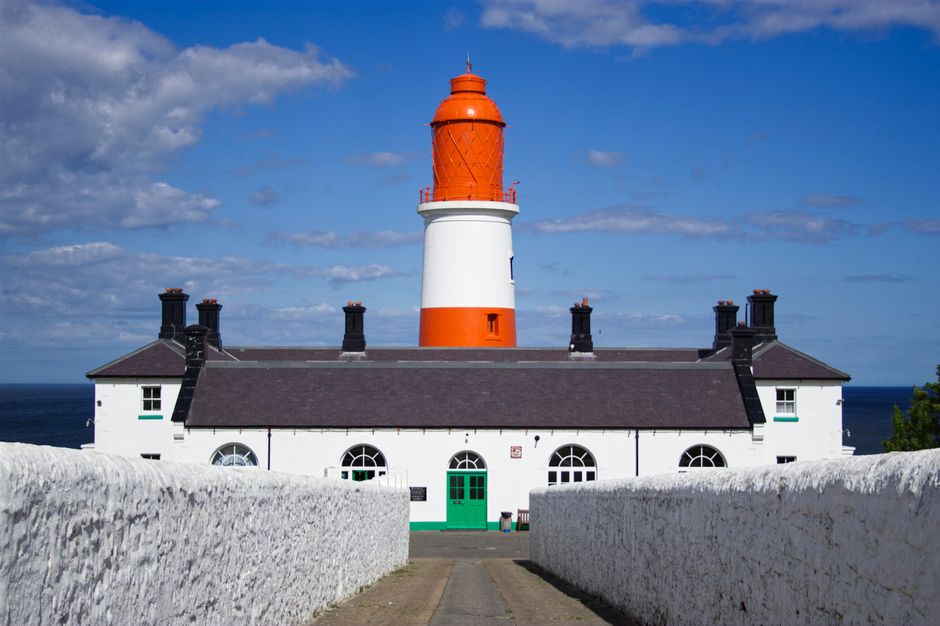
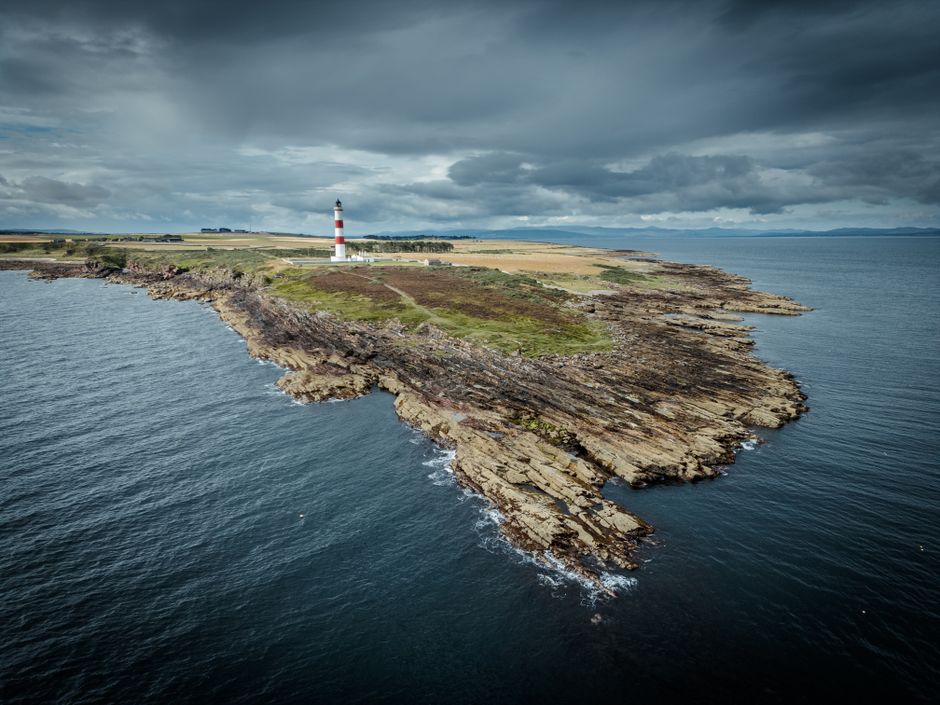
Souter Lighthouse on the Durham coast was the first lighthouse in the world to be purpose-built for electric illumination, predating South Foreland's conversion. Now a National Trust property, its distinctive red-and-white hooped tower stands above the rugged cliffs between the Tyne and the Wear.
The story of Souter Lighthouse
Completed in 1871 to a design by Trinity House engineer James Douglass, Souter was equipped from the outset with an alternating-current magneto-electric light developed by Frederick Hale Holmes, powered by steam-driven dynamos. It was chosen for the site because the high cliffs gave exceptional range and the nearby collieries provided cheap coal for the engines. The light was decommissioned in 1988 — superseded by modern aids — and transferred to the National Trust, which has preserved the engine room and keepers' cottages.
Visiting with care
The National Trust opens the tower, engine room and keeper's house year-round (check winter hours), with hands-on exhibits explaining the pioneering electric light. The adjoining Leas cliff top is a fine walk, and the Foghorn Field is popular with families.
Interesting facts
- It was the first lighthouse purpose-built for electric light, opened in 1871.
- Designed by James Douglass and powered by Holmes magneto-electric machines.
- The red-and-white hoops are a distinctive local landmark on the Durham coast.
- Decommissioned in 1988 and now run by the National Trust.
Getting there
Parking and access details — check locally for the latest information.