- Rothesay Pier is in Argyll and Bute, Scotland.
- Historic Clyde steamer pier
- Check access, weather and local guidance before travelling.
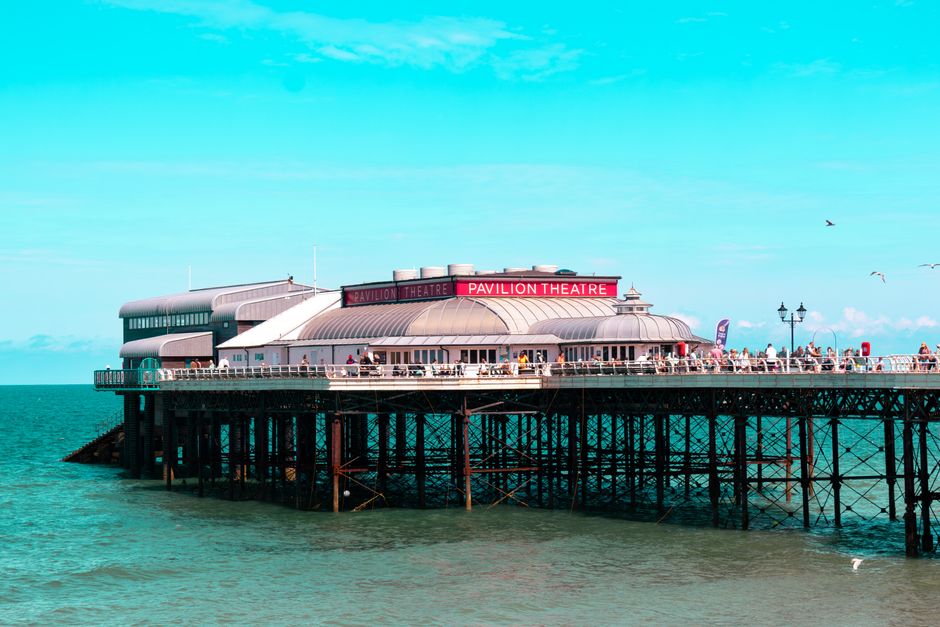
About Rothesay Pier
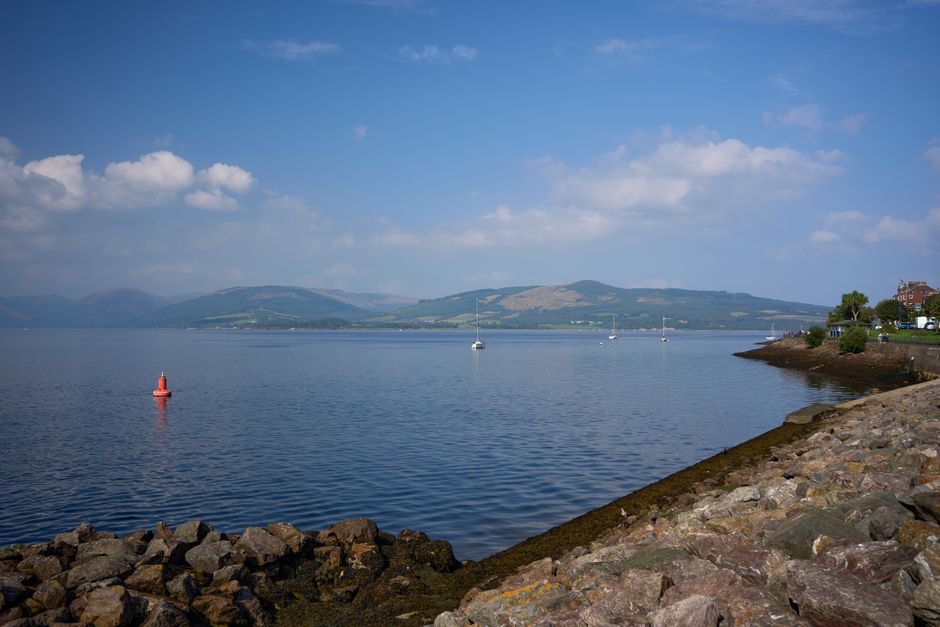
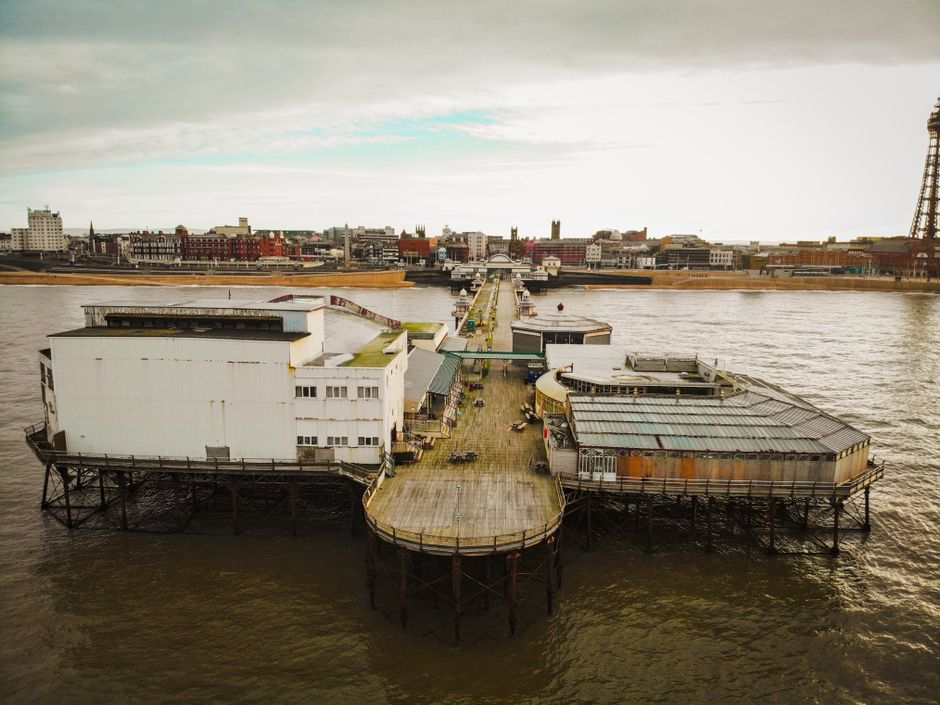
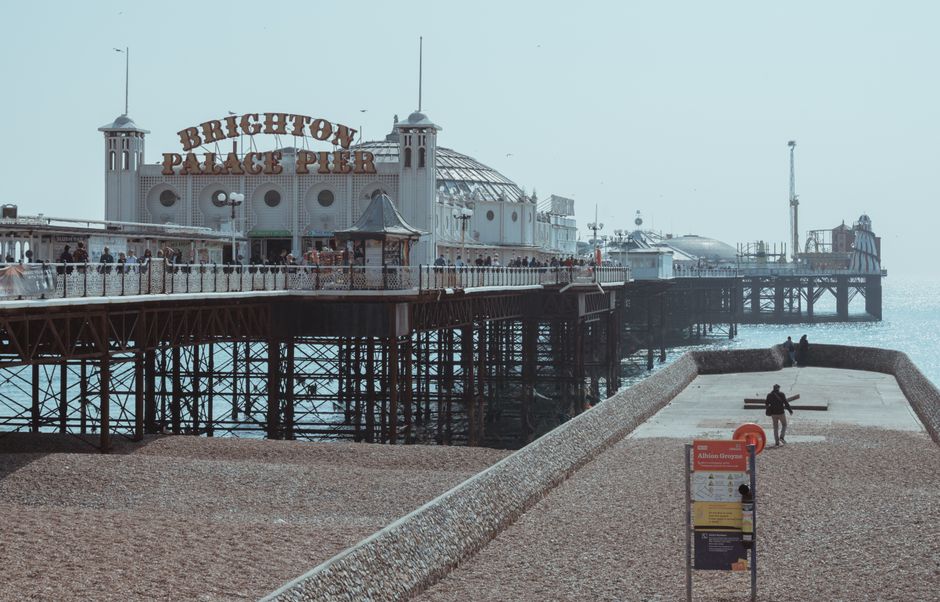
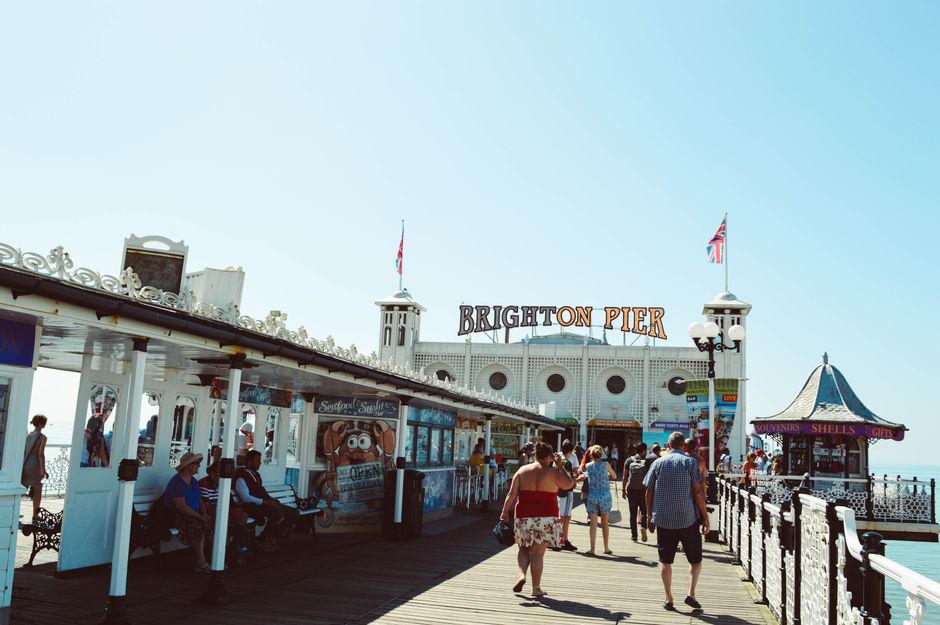
Rothesay Pier on the Isle of Bute is a historic Victorian pier and pavilion that was once the terminus for Clyde steamer excursions. It retains its ornate Victorian pavilion and remains a focal point of the town's seafront.
The story of Rothesay Pier
A pier has served Rothesay since the early 19th century, but the present pier was built in 1834 and extended in the 1860s and 1870s to accommodate the booming Clyde steamer trade, which brought thousands of day-trippers from Glasgow. The striking Victorian pavilion, designed by local architect Robert MacFarlane, was added in 1902 and hosted dances and concerts for the resort's heyday visitors. The pier declined with the fall of the Clyde steamer trade after the Second World War, but the pavilion was restored and remains in use as an event venue, and a marina was developed alongside.
Visiting with care
The pier and pavilion are open year-round, with the pavilion hosting concerts and community events. Rothesay is reached by CalMac ferry from Wemyss Bay, and the pier is a short walk from the ferry terminal, making it a key stop on any Bute itinerary.
Interesting facts
- A key terminus for the Clyde steamer trade at its Victorian peak.
- The present pier was built in 1834 and extended in the 1860s and 1870s.
- The Victorian pavilion was designed by Robert MacFarlane in 1902.
- Reached by CalMac ferry from Wemyss Bay on the mainland.
Getting there
Parking and access details — check locally for the latest information.