- Isle of Bute is in Firth of Clyde, Scotland.
- Firth of Clyde
- Check access, weather and local guidance before travelling.
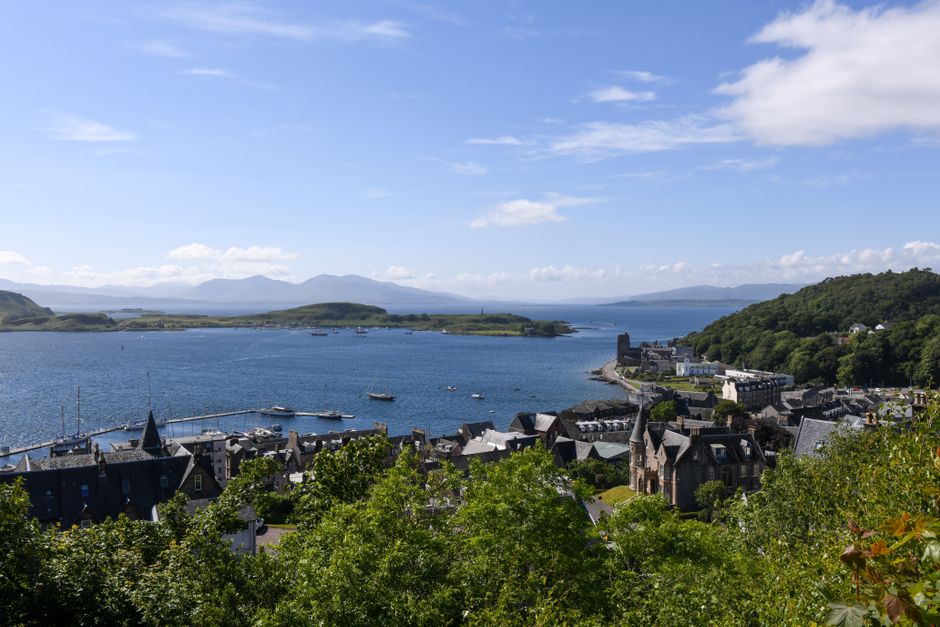
About Isle of Bute
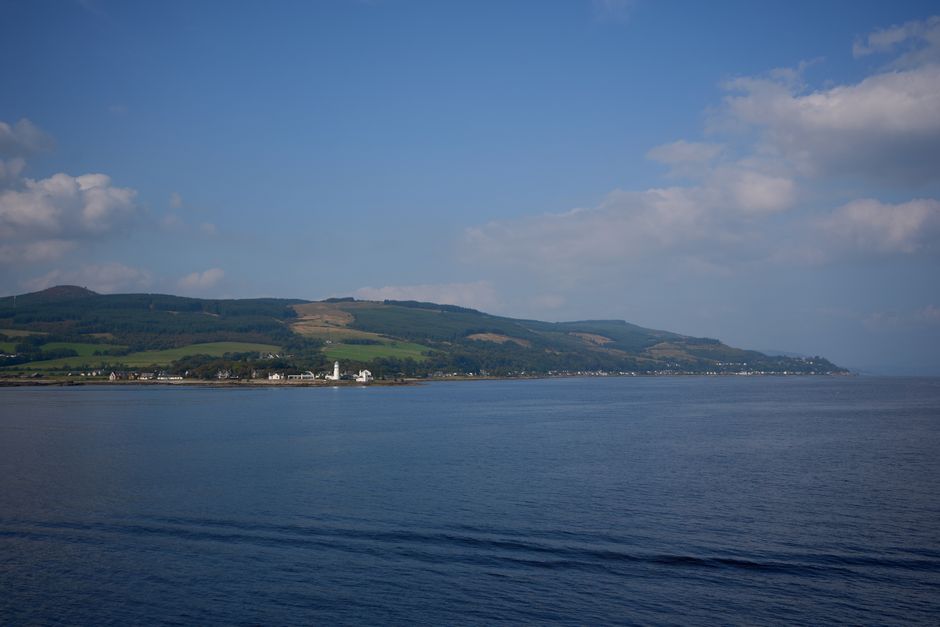
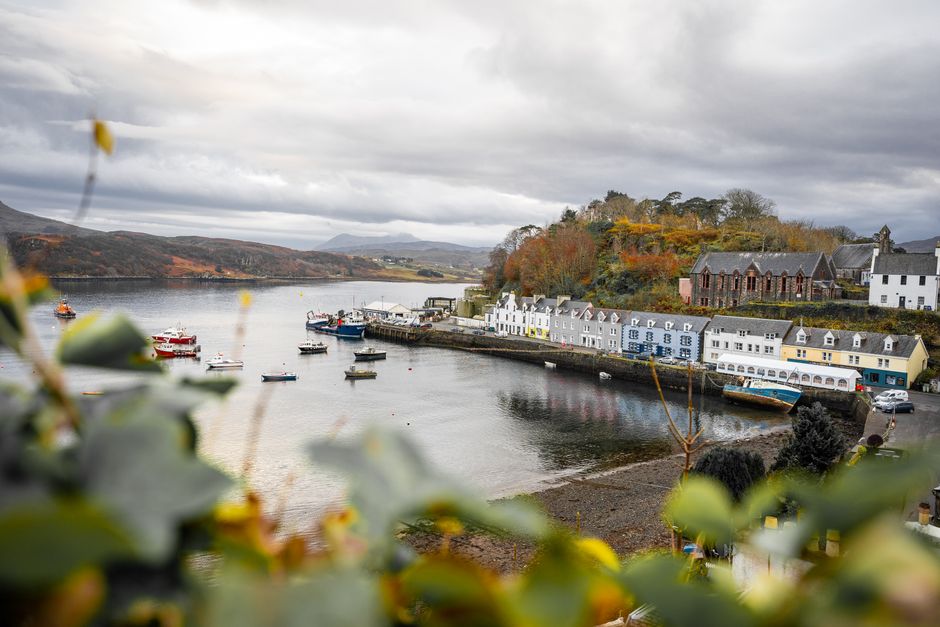
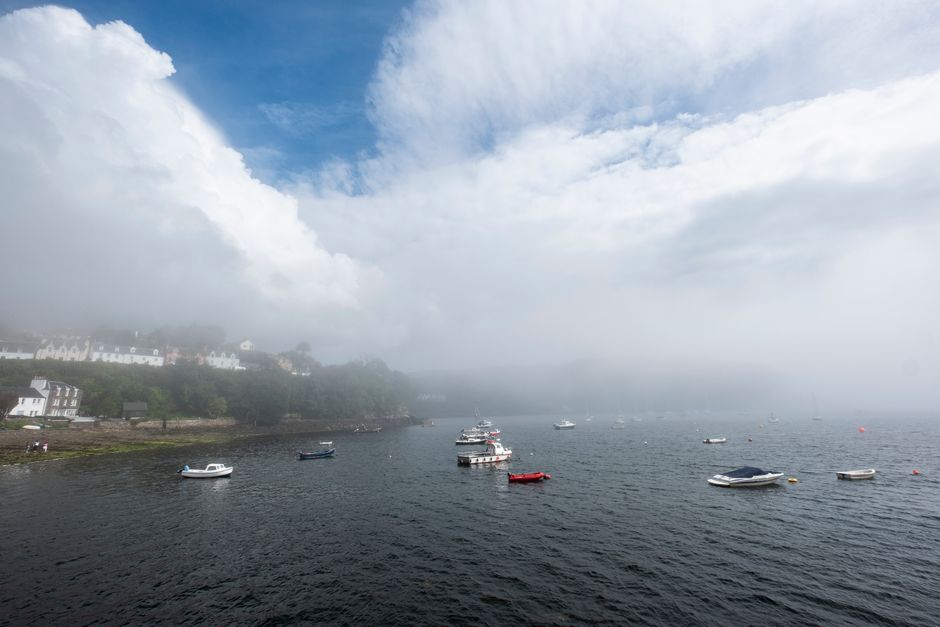
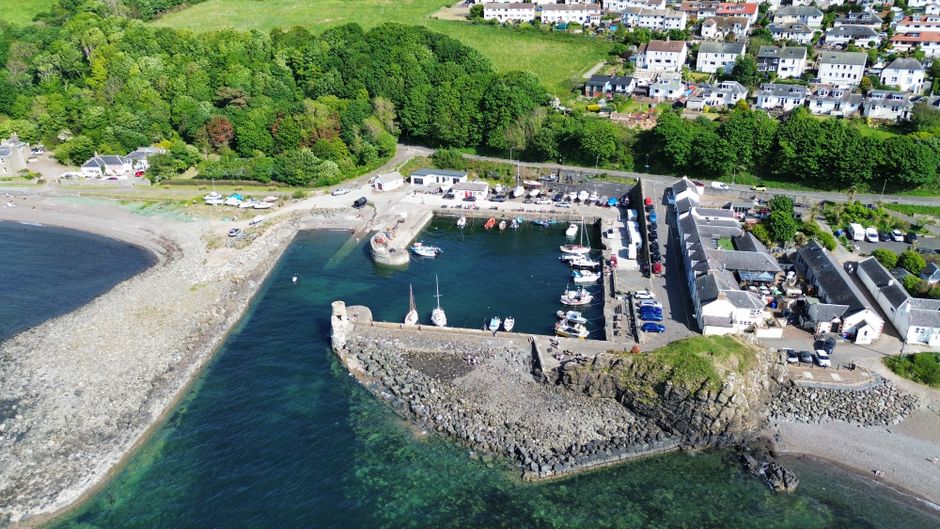
Bute lies in the Firth of Clyde, an easy island of rolling farmland, sandy bays and the elegant Victorian resort of Rothesay. Once a prime destination for Glasgow day-trippers on the Clyde steamers, it retains a handsome seaside promenade and an unusual circular castle.
The story of Isle of Bute
Rothesay grew into a fashionable resort in the 19th century as the Clyde paddle-steamers brought tens of thousands of Glaswegians "doon the watter" for their holidays. Rothesay Castle, dating from the 13th century, is unusual for its circular plan and deep moat and withstood Norse attacks during the reign of King Haakon IV of Norway. Mount Stuart, the Gothic Revival seat of the Marquesses of Bute, was rebuilt after a fire in 1877 and contains one of the finest private collections of art and architecture in Scotland. The Rothesay Victorian public toilets, opened in 1899, retain their original marble and tile fittings and have won preservation awards.
Visiting with care
The Wemyss Bay–Rothesay ferry is a short crossing that lands you right in the town. Cycle or drive the island's quiet single-track road to Ettrick Bay and Mount Stuart, and don't miss the Victorian toilets behind the harbour.
Interesting facts
- Rothesay Castle has a rare circular design and was besieged by Norse forces in the 1260s.
- Mount Stuart House was one of the first buildings in Scotland to have a telephone and a lift.
- The Rothesay Victorian toilets, opened in 1899, are among the most ornate surviving public conveniences in Britain.
- At its 19th-century peak, Rothesay attracted over 400,000 visitors a year on the Clyde steamers.
Getting there
Parking and access details — check locally for the latest information.