- Dunoon Pier is in Argyll and Bute, Scotland.
- Category B listed
- Check access, weather and local guidance before travelling.
About Dunoon Pier
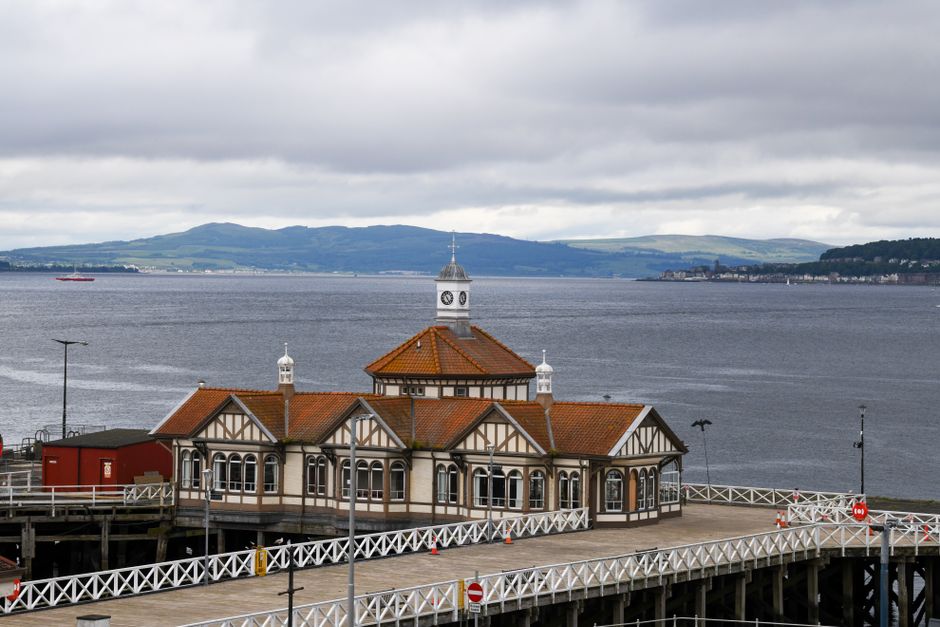
Dunoon Pier is a Category B listed Victorian pier on the Cowal peninsula, the longest pier on the Clyde and a former terminus for the famous Clyde paddle steamers. It retains its historic ticket office and pier head, and is being restored as a community and events venue.
The story of Dunoon Pier
A pier has served Dunoon since 1819, but the present pier was built in 1872 and extended in 1878 to accommodate the booming Clyde steamer trade, which brought Glaswegian day-trippers to the resort. The pier's distinctive timber structure and ornate ticket office date from this era. The last Clyde paddle steamer, the PS Waverley, continued to call at Dunoon into the 21st century. The pier was Category B listed in recognition of its historical importance. In recent years, the pier has been the subject of a major restoration campaign by Dunoon Community Trust to preserve the structure and reopen it as an events space.
Visiting with care
The pier is open as a promenade and is being restored as an events venue; check the Dunoon Community Trust for news of activities. Dunoon is reached by CalMac ferry from Gourock, and the pier is at the heart of the town's seafront, handy for the shops and esplanade.
Interesting facts
- The longest timber pier on the Firth of Clyde.
- The present pier was built in 1872 and extended in 1878.
- The historic ticket office is a rare surviving Victorian pier structure.
- The PS Waverley, the last Clyde paddle steamer, called here for decades.
Getting there
Parking and access details — check locally for the latest information.