- Isle of Wight is in English Channel, England.
- Check access, weather and local guidance before travelling.
About Isle of Wight
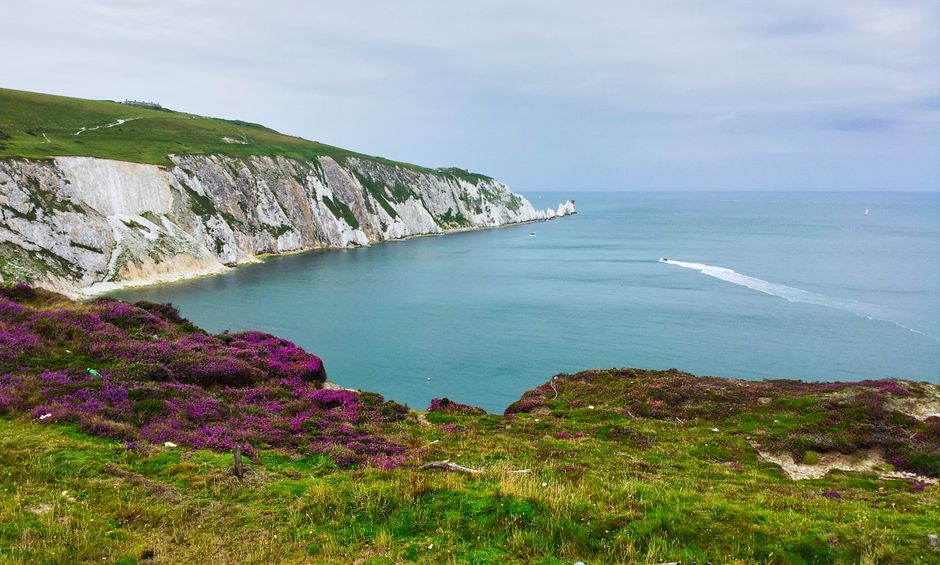
The Isle of Wight is England's largest island, lying just off the Hampshire coast across the Solent. It blends genteel Victorian seaside towns, chalk downland and the spectacular white chalk stacks of the Needles, and is famously rich in dinosaur fossils.
The story of Isle of Wight
Osborne House near East Cowes was built between 1845 and 1851 for Queen Victoria and Prince Albert and became the royal family's summer residence; Victoria died there in January 1901. Charles I was held at Carisbrooke Castle from 1647 to 1648 after escaping from Hampton Court and made at least two failed attempts to flee his captivity. Cowes Week, first held in 1826, is the world's oldest and largest sailing regatta, and the island's south-west coast is a designated UNESCO biosphere reserve. Over 120 dinosaur species have been identified from fossils found in the island's Wealden cliffs, more than anywhere else in Europe.
Visiting with care
Take a fast passenger ferry from Portsmouth to Ryde or a car ferry to Fishbourne, Yarmouth or East Cowes. The round-the-island coastal path, Osborne House, the Needles and the dinosaur beaches around Yaverland and Compton Bay make a varied few days.
Interesting facts
- Queen Victoria died at Osborne House on 22 January 1901.
- Cowes Week has been held annually since 1826 and is the oldest sailing regatta in the world.
- More dinosaur fossil species have been found on the Isle of Wight than anywhere else in Europe.
- Carisbrooke Castle held Charles I prisoner for nearly a year during the English Civil War.
Getting there
Parking and access details — check locally for the latest information.