- Swanage Pier is in Dorset, England.
- Grade II
- Check access, weather and local guidance before travelling.
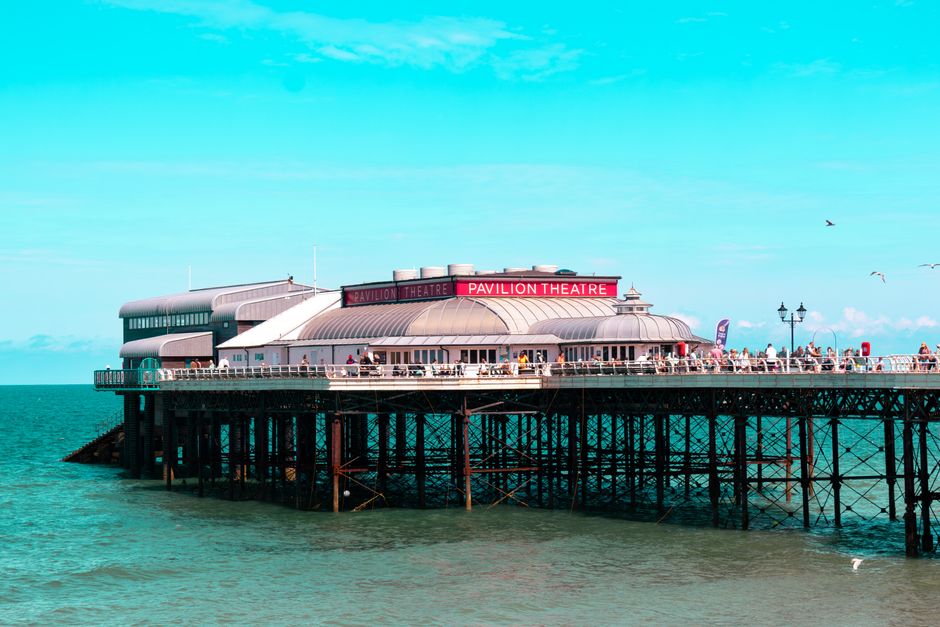
About Swanage Pier
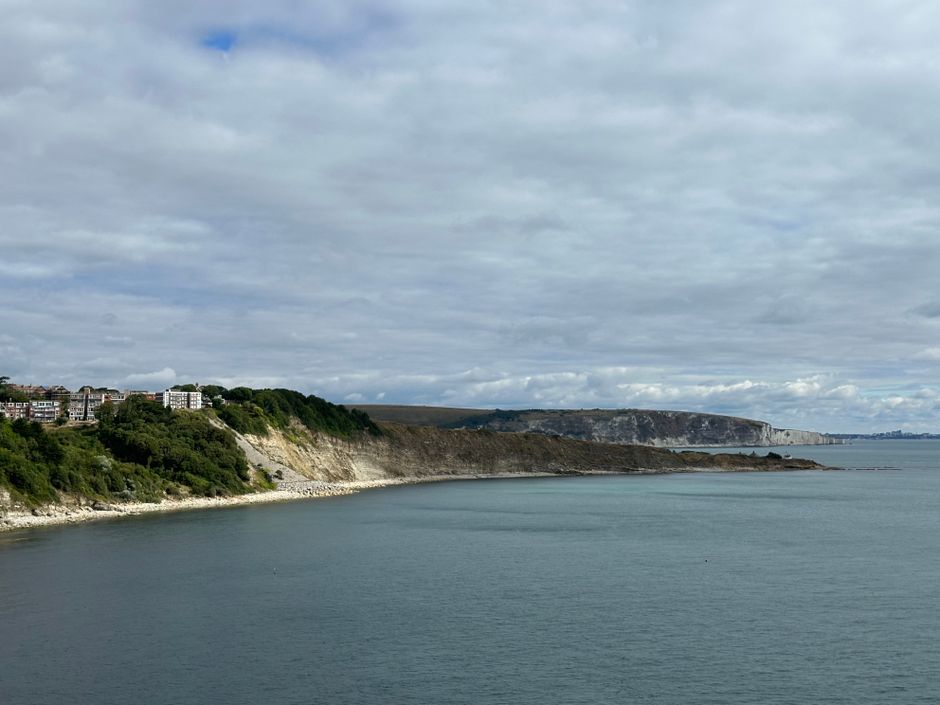
Swanage Pier is a Grade II listed Victorian pier on the Dorset coast, quieter and more historic than many of its peers. It is a popular spot for scuba diving, with marine life flourishing around the pier legs, and has a pier head café and museum.
The story of Swanage Pier
The original Swanage Pier was built in 1859 by James M. Rendel as a stone-loading pier for the local quarrying industry, much of its stone shipped to London by John Mowlem. The present pleasure pier was opened in 1896, designed by J. J. Webster and built by the Swanage Pier and Improvement Company to serve paddle steamers bringing day-trippers from Bournemouth and Poole. The pier declined with the loss of steamer traffic after the Second World War and fell into serious disrepair, but was rescued by the Swanage Pier Trust in 1993. A £2 million restoration reopened the pier in 1998.
Visiting with care
Open year-round with a small admission charge, the pier has a small museum, a café and picnic tables at the pier head. It is renowned for underwater marine life, making it a popular dive site, and sits at the start of the Jurassic Coast.
Interesting facts
- The earlier 1859 pier was built by James M. Rendel for shipping local stone.
- The present pleasure pier opened in 1896, designed by J. J. Webster.
- Rescued from dereliction by the Swanage Pier Trust in 1993.
- A popular scuba diving site with rich marine life around the pier legs.
Getting there
Parking and access details — check locally for the latest information.