- Copeland Islands is in County Down, Northern Ireland.
- Uninhabited, seabird colony
- Check access, weather and local guidance before travelling.
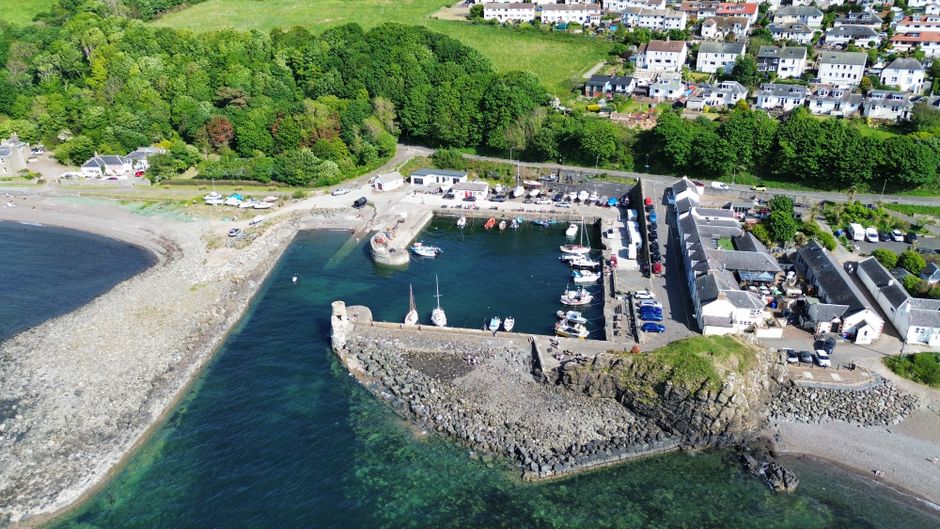
About Copeland Islands
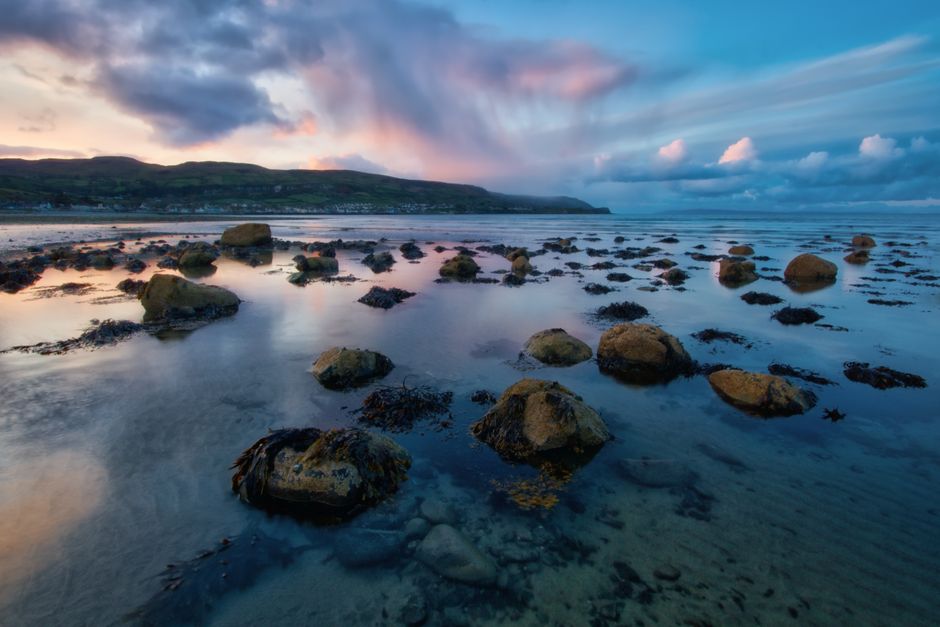
The Copeland Islands are a small uninhabited archipelago lying two miles off the County Down coast at the entrance to the Irish Sea. They are an important seabird colony and the site of Northern Ireland's only bird observatory, reached by boat from Donaghadee.
The story of Copeland Islands
The Copelands take their name from the family of John de Copeland, a 13th-century knight who held land in the area, and the islands were once used for smuggling and as a pilot station for ships entering Belfast Lough. The Mew Island lighthouse, built in 1884, replaced an earlier 1812 light on nearby Lighthouse Island and guided vessels through the North Channel until it was made automatic. The Copeland Bird Observatory, founded in 1954 on Lighthouse Island, has monitored migrating birds for over seventy years and is the only accredited bird observatory in Northern Ireland. The islands' past inhabitants included lighthouse keepers and tenant farmers, but they have been uninhabited since the mid-20th century.
Visiting with care
Boat trips run from Donaghadee in the spring and summer, landing visitors for walks and birdwatching. Stay overnight at the bird observatory on Lighthouse Island if you want to join the ringing programme and catch dawn and dusk migrants.
Interesting facts
- The Copeland Islands are uninhabited and form one of the largest seabird colonies in Northern Ireland.
- The Copeland Bird Observatory, founded in 1954, is Northern Ireland's only accredited bird observatory.
- Mew Island lighthouse, built in 1884, replaced an earlier 1812 light on the neighbouring island.
- The islands lie on a major flyway for Arctic terns and Manx shearwaters migrating through the Irish Sea.
Getting there
Parking and access details — check locally for the latest information.