- Mull of Galloway Lighthouse is in Dumfries and Galloway, Scotland.
- Most southerly point of Scotland
- Check access, weather and local guidance before travelling.
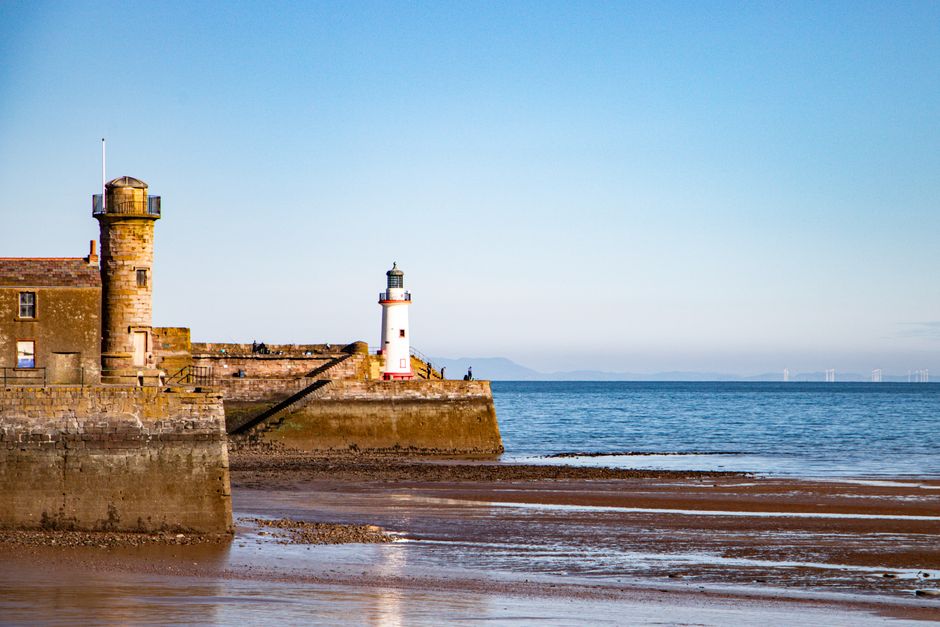
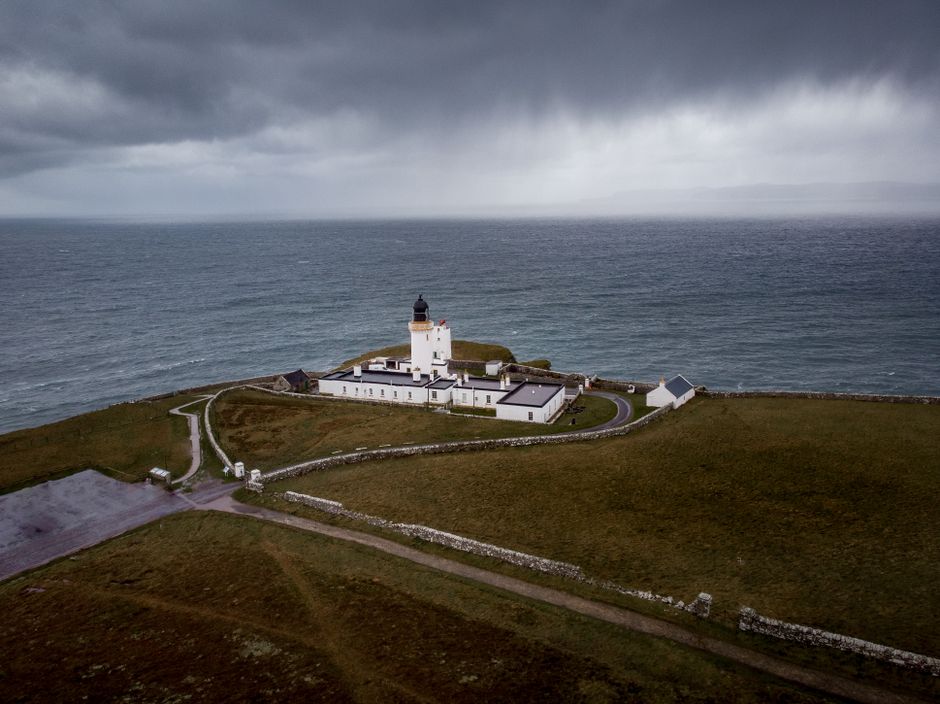
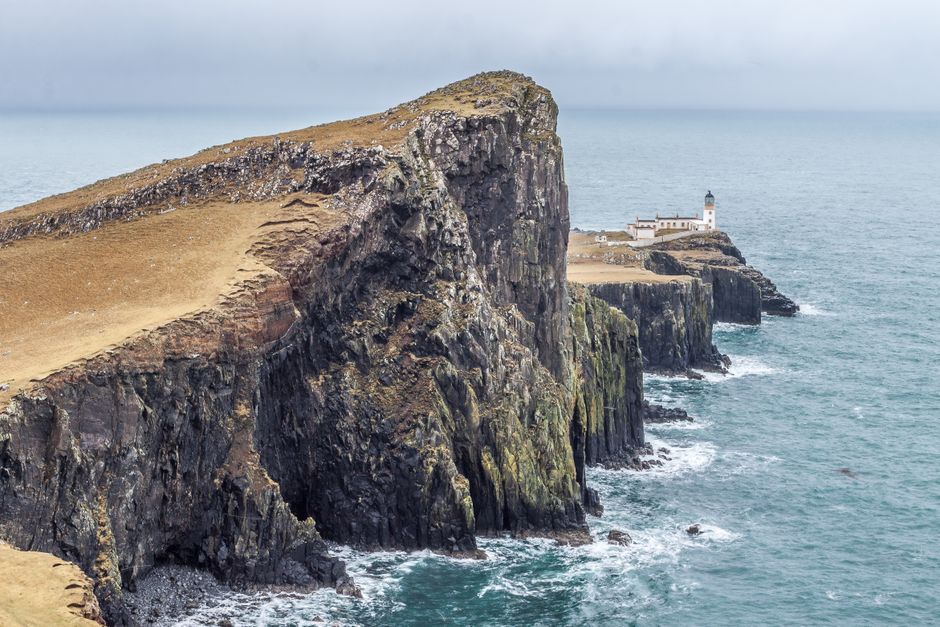
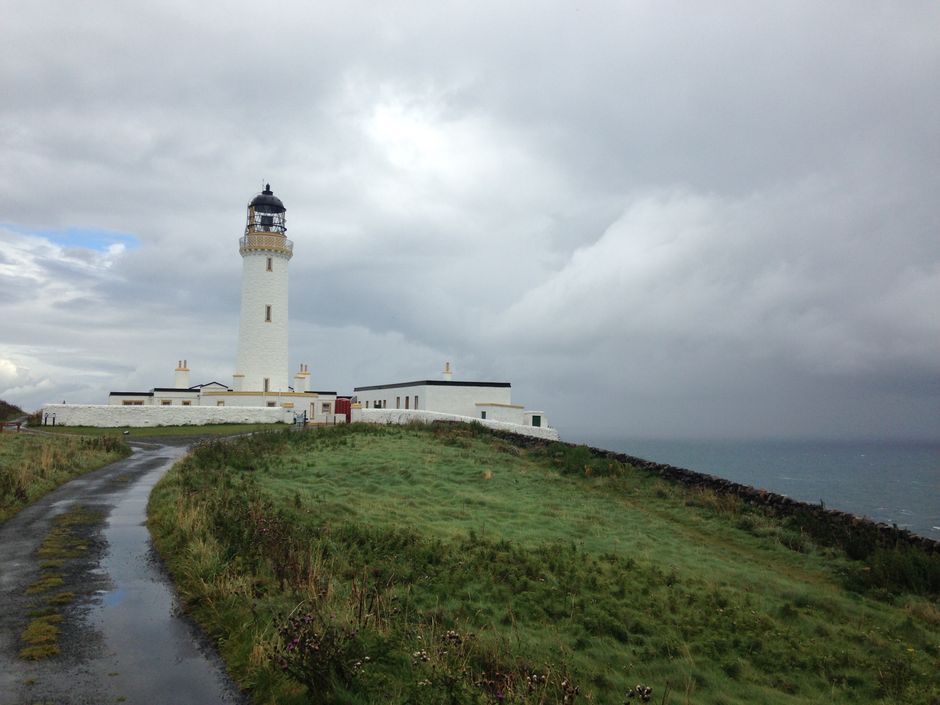
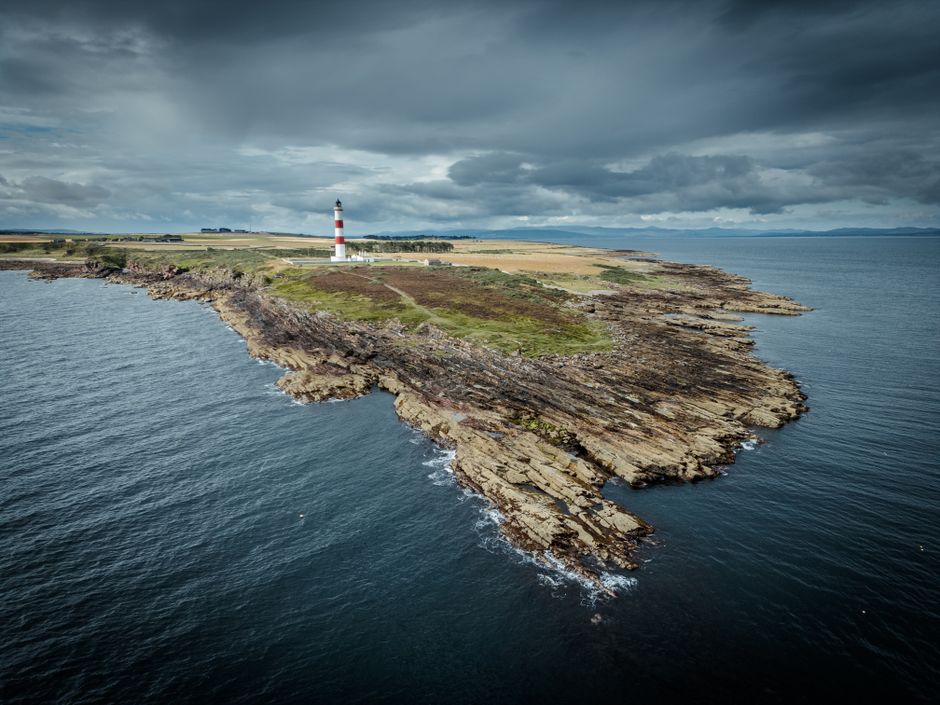
About Mull of Galloway Lighthouse
Mull of Galloway Lighthouse stands on the most southerly point of Scotland, a remote headland at the tip of the Rhinns of Galloway where the Irish Sea meets the North Channel. Built by Robert Stevenson, its white tower remains an operational Northern Lighthouse Board station with a visitor centre in the former keeper's cottages.
The story of Mull of Galloway Lighthouse
The lighthouse was built in 1830 by Robert Stevenson for the Northern Lighthouse Board and first lit on 26 October 1830, marking the southernmost point of Scotland and guiding vessels through the busy North Channel between Scotland and Ireland. The 26-metre tower was built from granite and equipped with a revolving lens visible for 18 nautical miles. The lighthouse was electrified in 1976 and the keepers were withdrawn in 1988 when the station was automated. The former keeper's cottages now house a visitor centre and exhibition run by the Mull of Galloway Trust, while the South Rhins area around the lighthouse is an RSPB nature reserve.
Visiting with care
The lighthouse is open to the public from spring to autumn with a visitor centre in the keeper's cottages and guided climbs of the tower on selected days. The headland is an RSPB reserve renowned for breeding kittiwakes, guillemots and ravens, and the cliff-top walks offer views across the North Channel to the coast of Ireland and the Isle of Man on clear days.
Interesting facts
- Built in 1830 by Robert Stevenson for the Northern Lighthouse Board.
- Stands at the most southerly point of Scotland.
- The 26-metre tower was automated in 1988 after 158 years of manning.
- The keeper's cottages now house a visitor centre run by a local trust.
Getting there
Parking and access details — check locally for the latest information.