- Blackhead Lighthouse is in County Antrim, Northern Ireland.
- Check access, weather and local guidance before travelling.
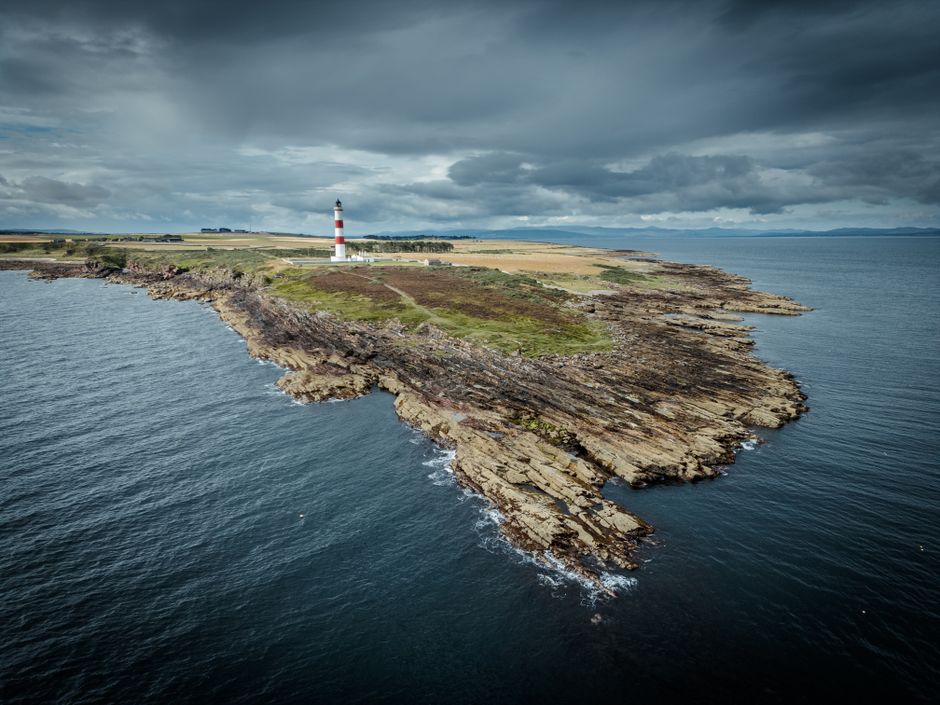
About Blackhead Lighthouse
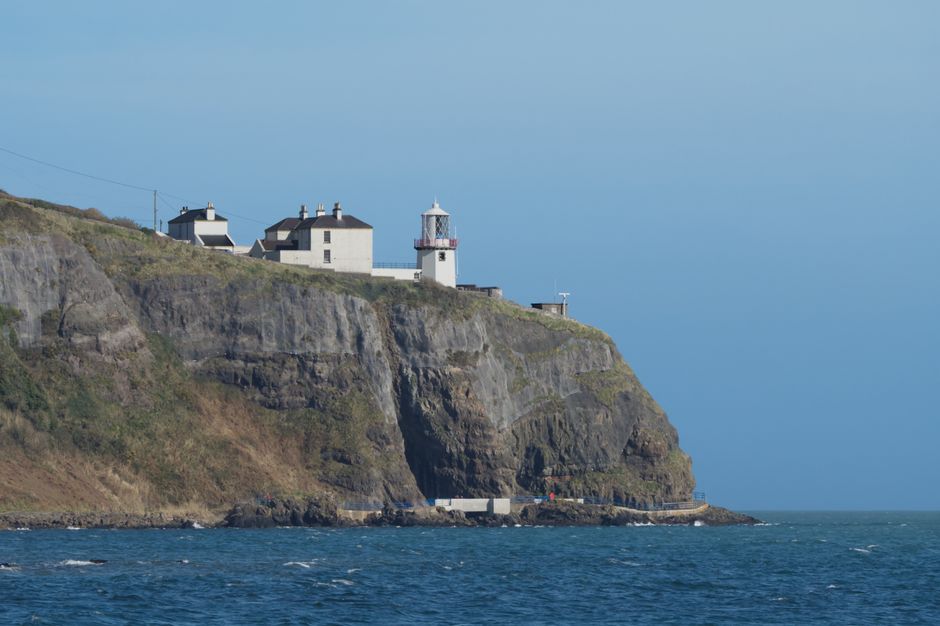
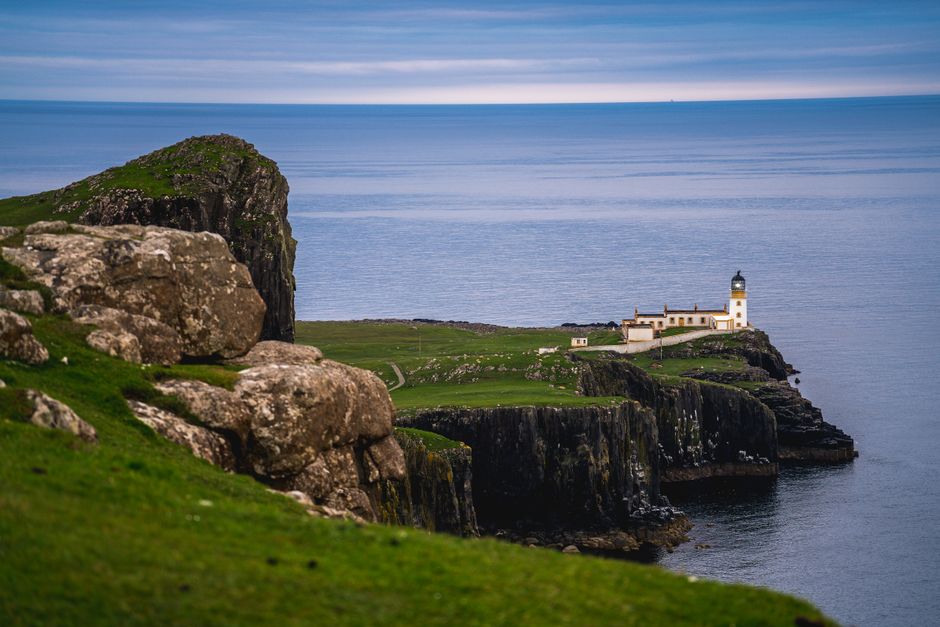
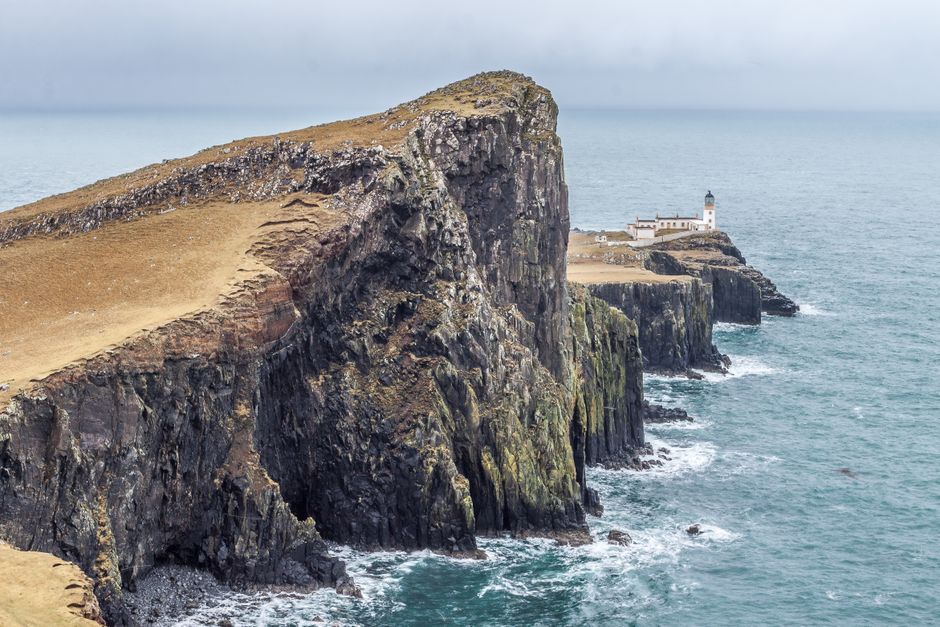
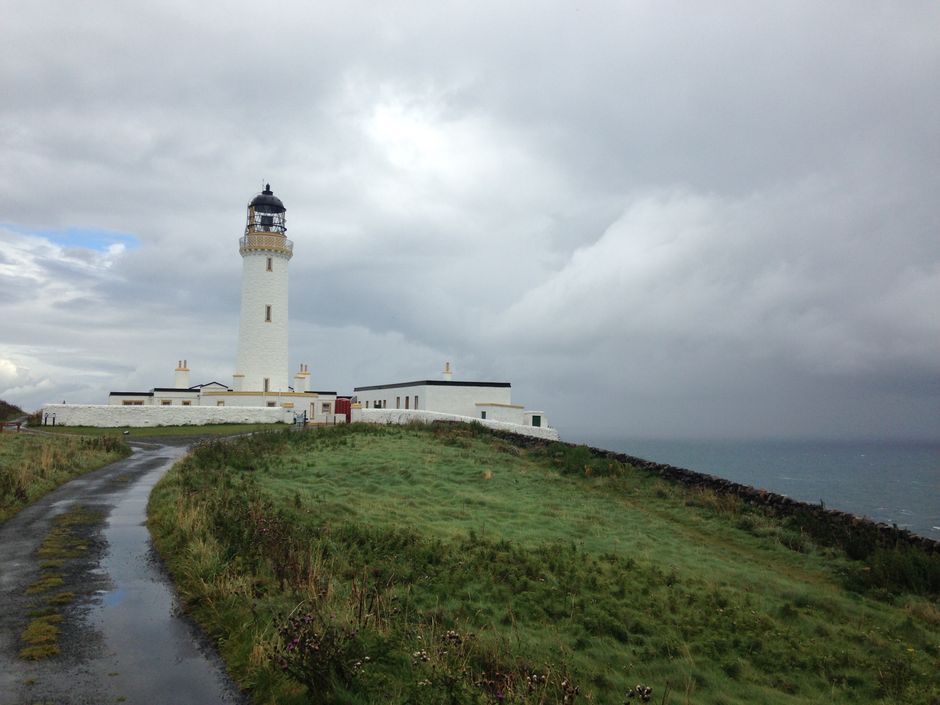
Blackhead Lighthouse stands on a clifftop on the County Antrim coast north of Whitehead, guiding vessels through the Belfast Lough approaches. Its white tower and keeper's cottages are now run as holiday accommodation by the Irish Lights service.
The story of Blackhead Lighthouse
The lighthouse was built in 1902 by the Commissioners of Irish Lights to improve the approach to Belfast Lough, one of Ireland's busiest shipping channels. The 16-metre tower was manned by resident keepers until it was automated in 1972, after which the keeper's cottages were converted into self-catering holiday accommodation. The lighthouse was an important navigation mark for the ships bringing troops and munitions into Belfast during both World Wars and remains operational today.
Visiting with care
The lighthouse can be viewed from the Antrim coast road and cliff-top path north of Whitehead, and the keeper's cottages can be booked as holiday lets directly through the Commissioners of Irish Lights. The nearby Blackhead coastal path forms part of the Causeway Coast route into Belfast Lough.
Interesting facts
- Built in 1902 by the Commissioners of Irish Lights.
- Stands 16 metres tall on the clifftop north of Whitehead.
- Automated in 1972; keeper's cottages are now holiday lets.
- Important navigation mark for Belfast Lough during both World Wars.
Getting there
Parking and access details — check locally for the latest information.