- Spurn Point NNR is in East Yorkshire, England.
- A shifting shingle spit at the mouth of the Humber
- Check access, weather and local guidance before travelling.
About Spurn Point NNR
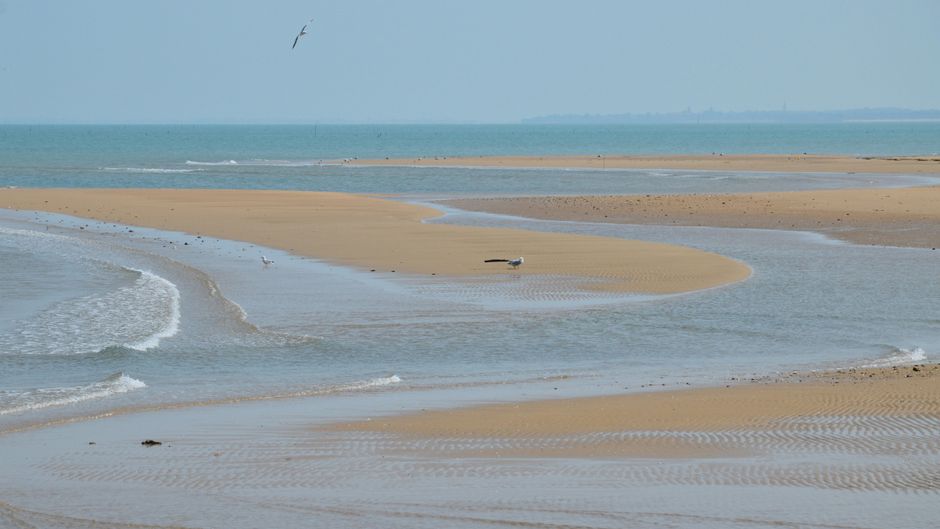
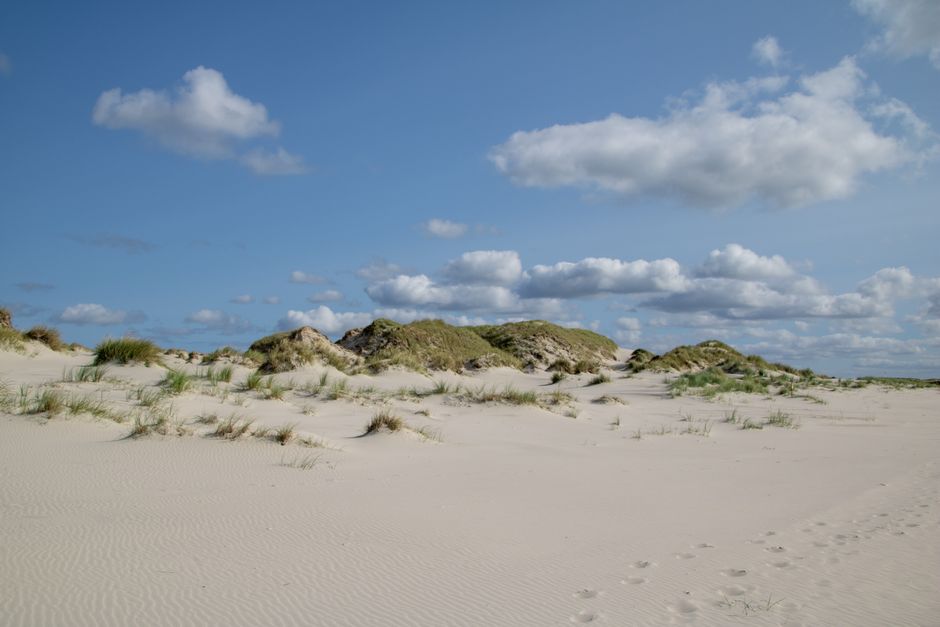
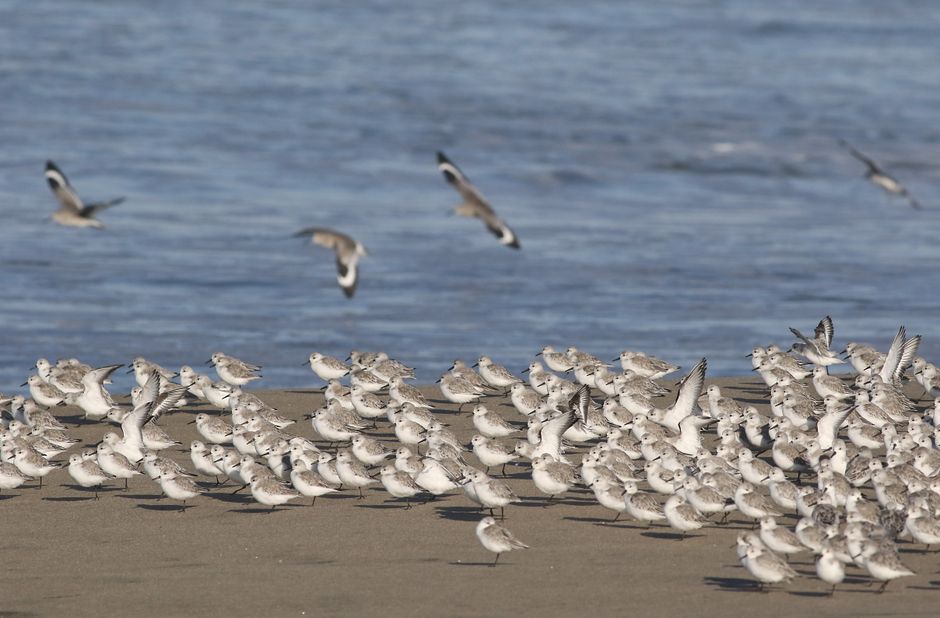
Spurn National Nature Reserve is a long, shifting sand and shingle spit that curves 3.5 miles into the mouth of the Humber Estuary on the East Yorkshire coast. Barely 50 metres wide in places, it is one of the most dynamic coastlines in Britain, continually reshaped by the tides and longshore drift, and is famed for its spectacular bird migration and its wild, end-of-the-world atmosphere.
The story of Spurn Point NNR
Spurn was purchased in the mid-1950s from the War Department for £1,500 by a forerunner of the Yorkshire Wildlife Trust, which has owned and managed the spit since 1959. It was declared a National Nature Reserve in 1996 and forms part of the Humber Flats, Marshes and Coast Special Protection Area. The spit has a long history as a navigational hazard and rescue station: a lighthouse has stood at its tip since the 18th century, and the RNLI operated a lifeboat station there for two centuries before withdrawing in 2023. In December 2013 a great tidal surge breached the narrow neck of the spit and washed away the road, turning the point into a tidal island at high water and accelerating the Trust's shift from a people-centred to a nature-led management approach.
Visiting with care
Drive to the Spurn Discovery Centre at Kilnsea and walk or take the reserve vehicle down the spit to the point, checking tide times to avoid being cut off at the breach. Bring binoculars and a windproof layer for the exposed shingle, and keep dogs under close control; the narrow beaches are easily disturbed and the currents off the point are treacherous.
Interesting facts
- Spurn was declared a National Nature Reserve in 1996 and is managed by the Yorkshire Wildlife Trust, which has owned the spit since 1959.
- A tidal surge in December 2013 breached the narrow neck of the spit, washing away the road and turning the point into a tidal island at high water.
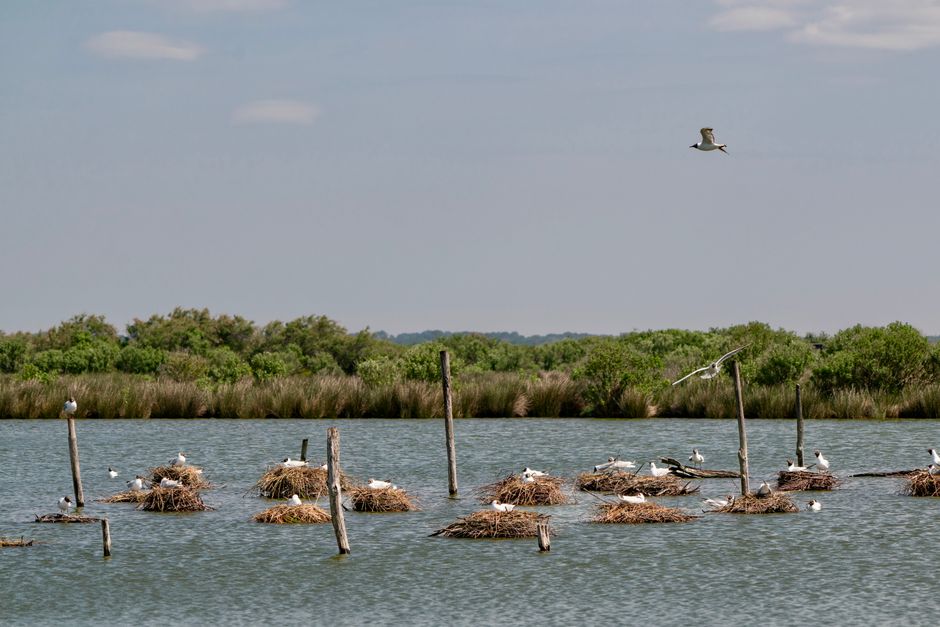
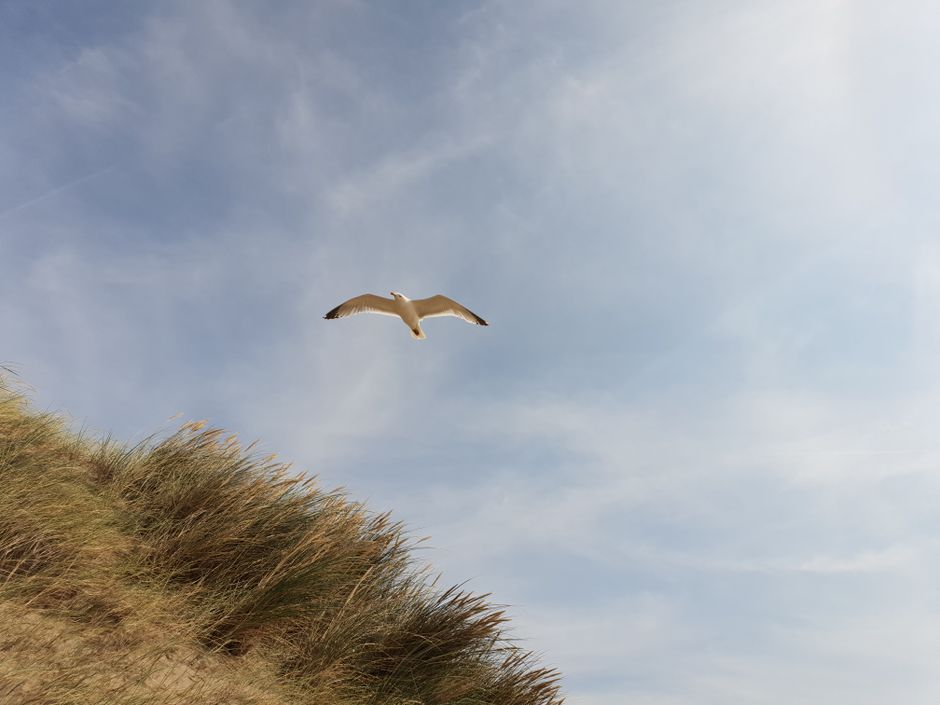
- The spit is one of Britain's finest bird migration watch points, with impressive falls of thrushes, warblers and hoverflies in autumn.
- The RNLI operated a lifeboat station at Spurn for two centuries before withdrawing in 2023 because of ageing infrastructure.
Getting there
Parking and access details — check locally for the latest information.