- Nash Point Lighthouse is in Vale of Glamorgan, Wales.
- Visitor tours available
- Check access, weather and local guidance before travelling.

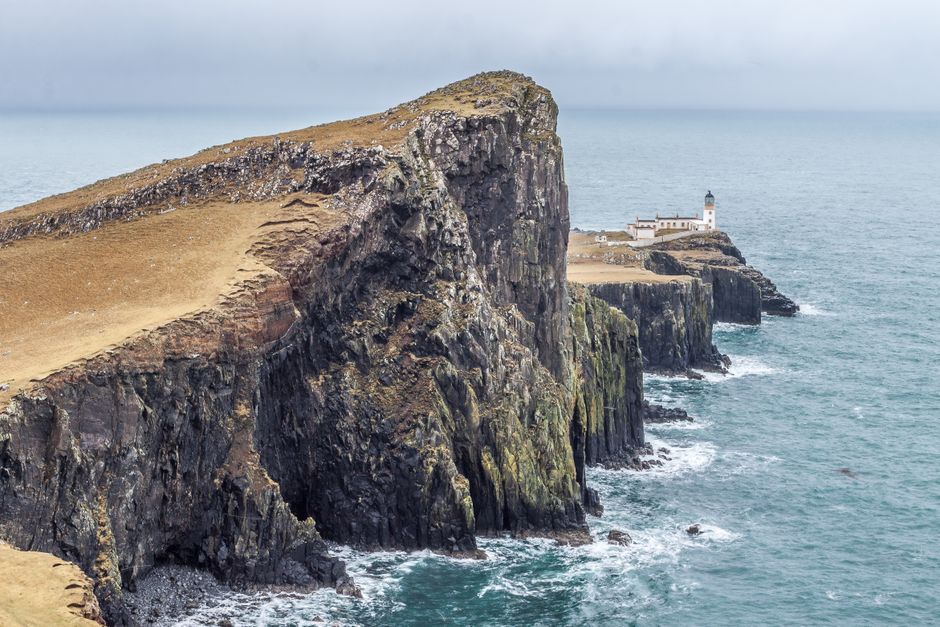
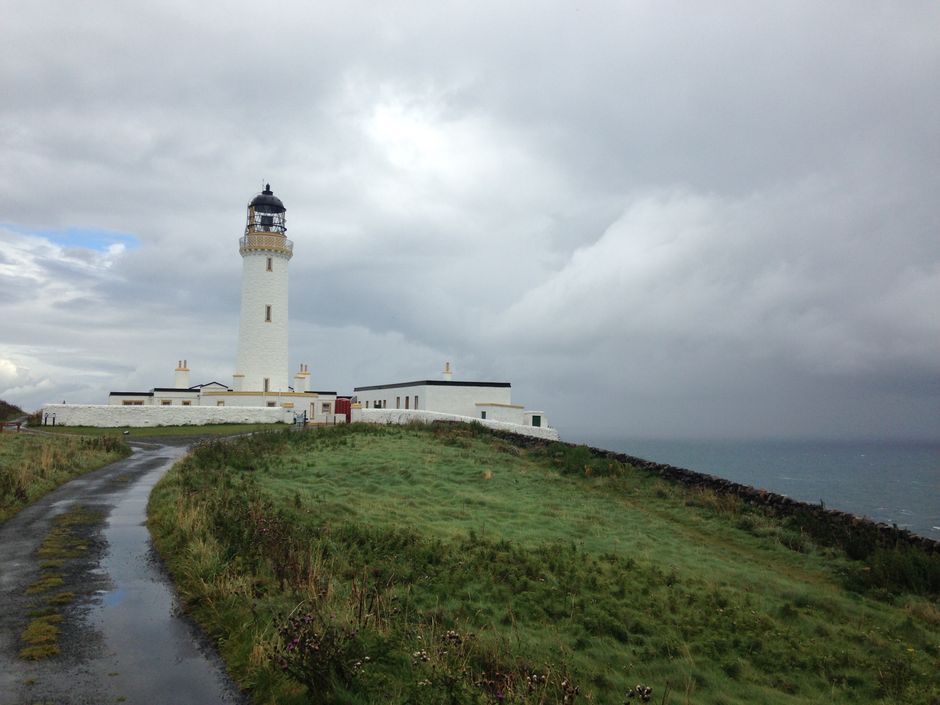
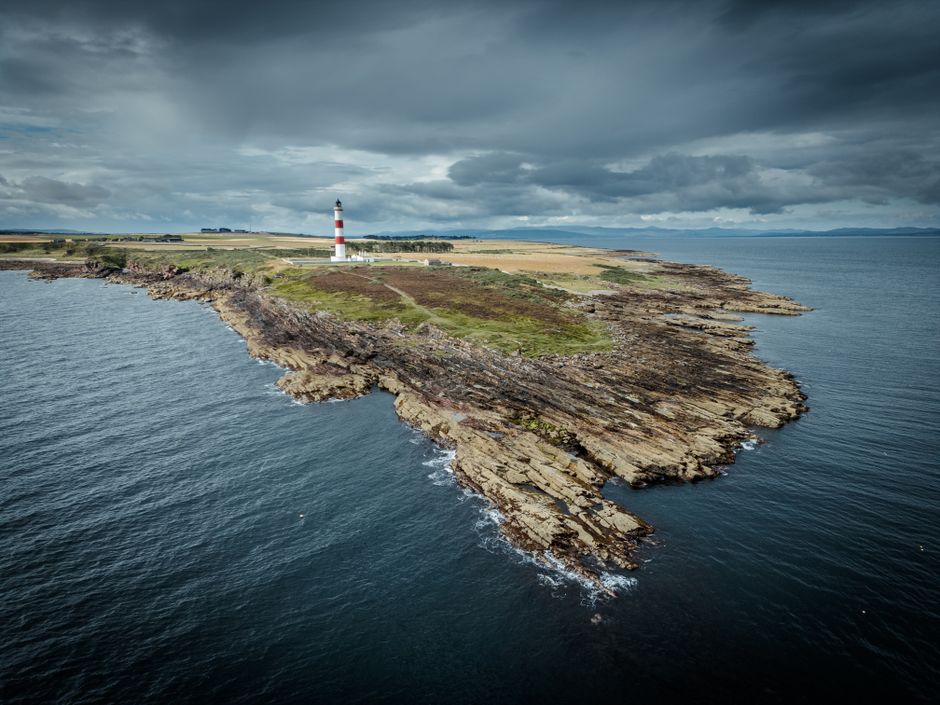
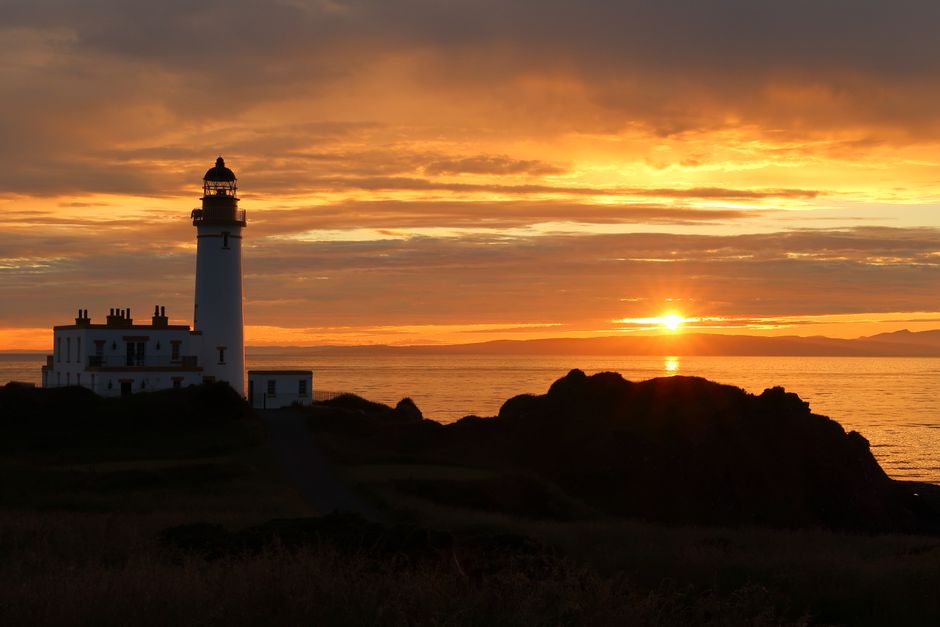
About Nash Point Lighthouse
Nash Point Lighthouse stands on the Glamorgan Heritage Coast and is a rare surviving example of a twin-towered lighthouse station, with both its high and low towers still standing. It was the last manned lighthouse in Wales and offers regular guided tours.
The story of Nash Point Lighthouse
The lighthouse was built in 1832 by James Walker for Trinity House following the wreck of the Frolic on the Nash Sands, with two towers — high and low — providing leading lights to guide vessels around the treacherous sandbanks. The lower light was discontinued in the 1920s but the high tower remains operational. Nash Point was the last manned lighthouse in Wales: its keepers were not withdrawn until 1998, when the station was finally automated and became one of the last in the country to lose its resident crew.
Visiting with care
Trinity House runs guided tours of the working lighthouse on selected afternoons from spring to autumn, including a climb to the lantern and the chance to hear the fog signal. The cliff-top walk along the Glamorgan Heritage Coast passes nearby and is among the finest in South Wales.
Interesting facts
- Built in 1832 by James Walker after the wreck of the Frolic.
- A rare twin-towered station with high and low leading lights.
- It was the last manned lighthouse in Wales, demanned in 1998.
- Its fog signal is sounded on guided tours for visitors.
Getting there
Parking and access details — check locally for the latest information.