- Isle of Lewis and Harris is in Outer Hebrides, Scotland.
- Outer Hebrides
- Check access, weather and local guidance before travelling.
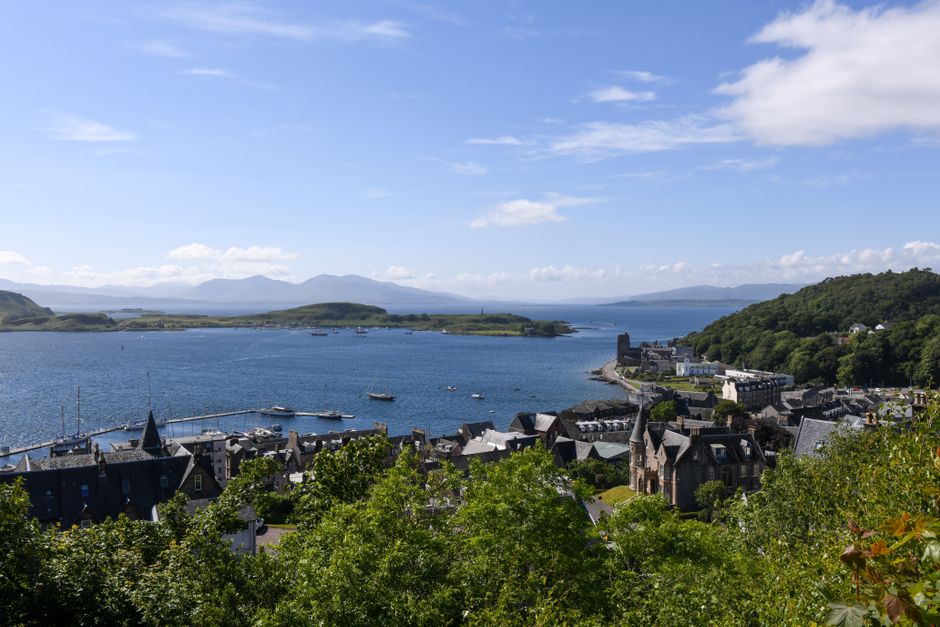
About Isle of Lewis and Harris
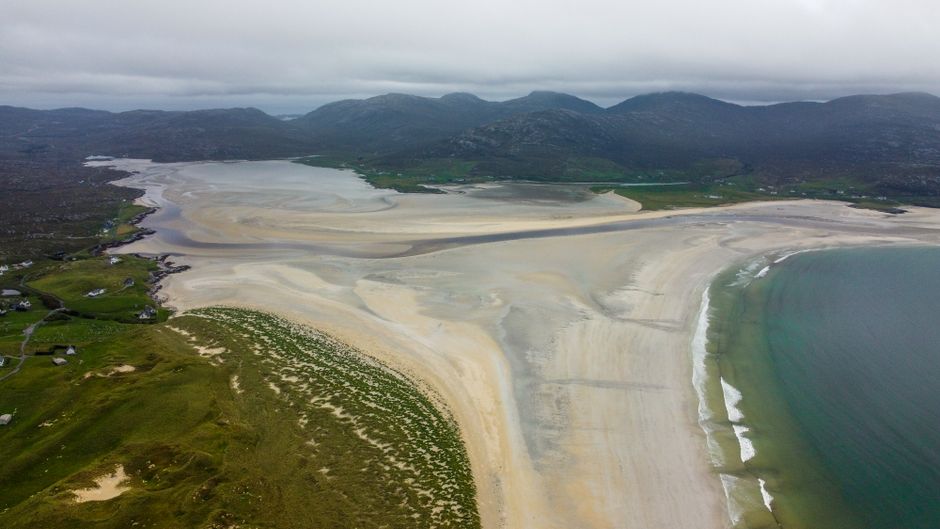
Lewis and Harris form a single island in the Outer Hebrides, though they are treated as two districts. Lewis in the north is flat, peaty and Gaelic-speaking, while Harris to the south is mountainous and fringed with dazzling shell-sand beaches such as Luskentyre.
The story of Isle of Lewis and Harris
The Callanish Standing Stones on Lewis were erected around 2900 BC and form a cross-shaped complex larger and older than many English stone circles. The Lewis Chessmen, 78 intricately carved 12th-century pieces made from walrus ivory, were found on a beach at Uig in 1831 and are now divided between the British Museum and the National Museum of Scotland. The island's crofting communities were reshaped by the Clearances, and the name "Harris Tweed" has been a legally protected designation since 1909, requiring cloth to be hand-woven by islanders at their own homes. Stornoway grew around a medieval Norse castle and later became the main herring-fishing port of the Hebrides.
Visiting with care
Take the Ullapool–Stornoway ferry for Lewis or the Uig (Skye)–Tarbert ferry for Harris, and explore both in one loop. Luskentyre, Horgabost and the Golden Road on Harris's east coast are essential, as are Callanish and the Gearrannan blackhouse village on Lewis.
Interesting facts
- The Callanish Stones predate Stonehenge and align with the southern moonrise at its 18.6-year cycle.
- The Lewis Chessmen are thought to have been carved in Trondheim, Norway, around 1150 AD.
- Harris Tweed must by law be hand-woven by islanders in the Outer Hebrides at their own homes.
- Luskentyre Beach is regularly voted among the best beaches in Britain for its white shell sand and turquoise water.
Getting there
Parking and access details — check locally for the latest information.