- Neist Point Lighthouse is in Highland, Scotland.
- Popular visitor viewpoint
- Check access, weather and local guidance before travelling.
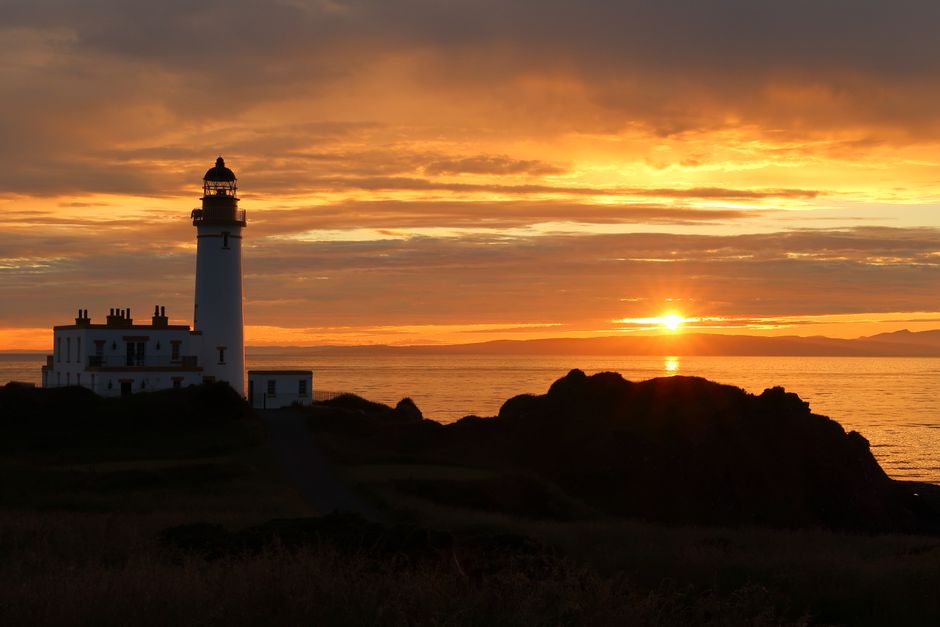
About Neist Point Lighthouse
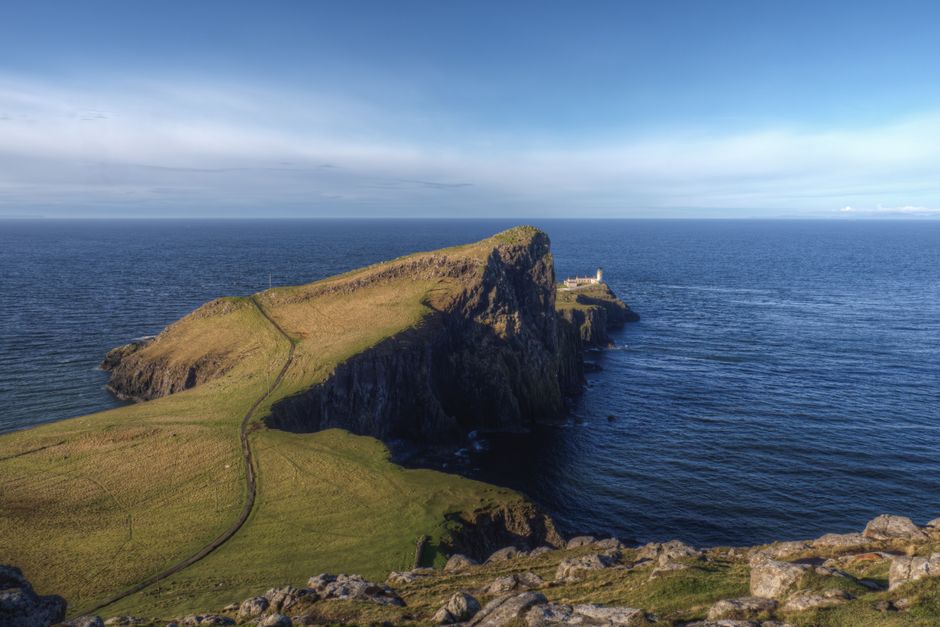
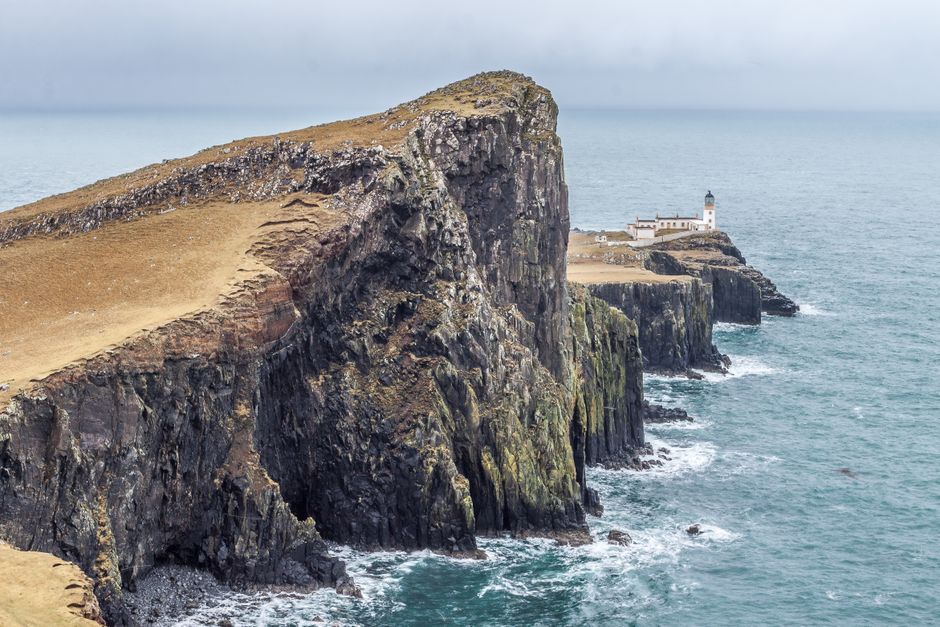
Neist Point Lighthouse stands on the most westerly point of the Isle of Skye, on a dramatic headland of basalt cliffs above the Little Minch. One of Scotland's most photographed lighthouses, it is reached by a steep path down the cliff and is a popular viewpoint for wildlife and sunsets.
The story of Neist Point Lighthouse
The lighthouse was built in 1909 by David A. Stevenson, great-grandson of the founder of the Stevenson lighthouse dynasty, to mark the western approach to the Little Minch between Skye and the Outer Hebrides. The 19-metre tower was automated in 1990 and converted to solar power in more recent years. The keeper's cottages were sold to private owners, and the site has become one of Skye's most visited landmarks despite its exposed position on a headland accessible only on foot.
Visiting with care
A well-defined but steep path descends from the car park at Glendale to the lighthouse along the cliff top, taking around half an hour each way. The point is a prime location for spotting whales, dolphins, basking sharks and seabirds, and the cliff scenery is among the most dramatic on Skye.
Interesting facts
- Built in 1909 by David A. Stevenson of the lighthouse engineering dynasty.
- Stands at the most westerly point of the Isle of Skye.
- The 19-metre tower was automated in 1990.
- A popular spot for whales, dolphins and basking sharks.
Getting there
Parking and access details — check locally for the latest information.