- Pittenweem is in Fife, Scotland.
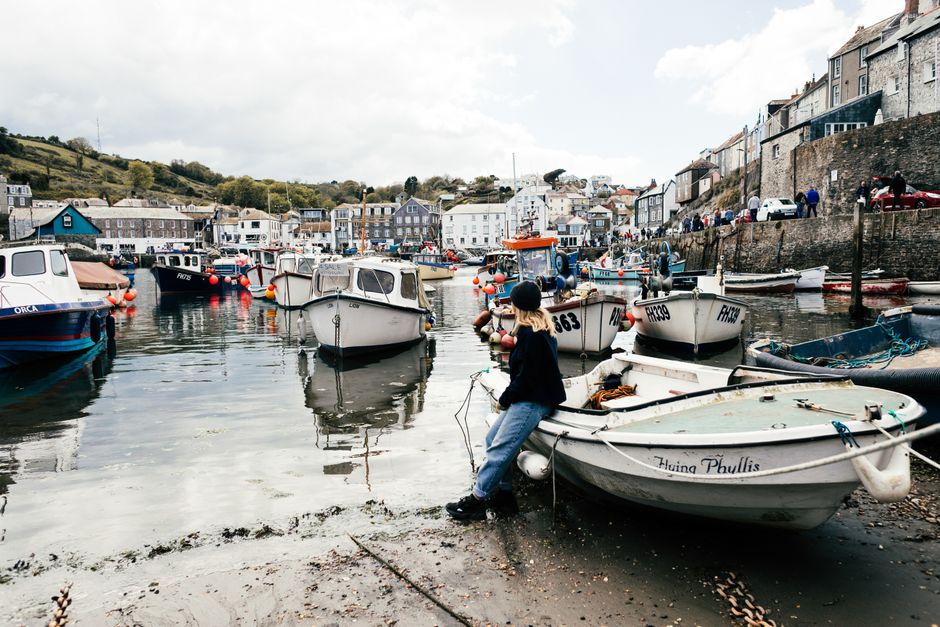
- East Neuk fishing village with working harbour
- Check access, weather and local guidance before travelling.
About Pittenweem
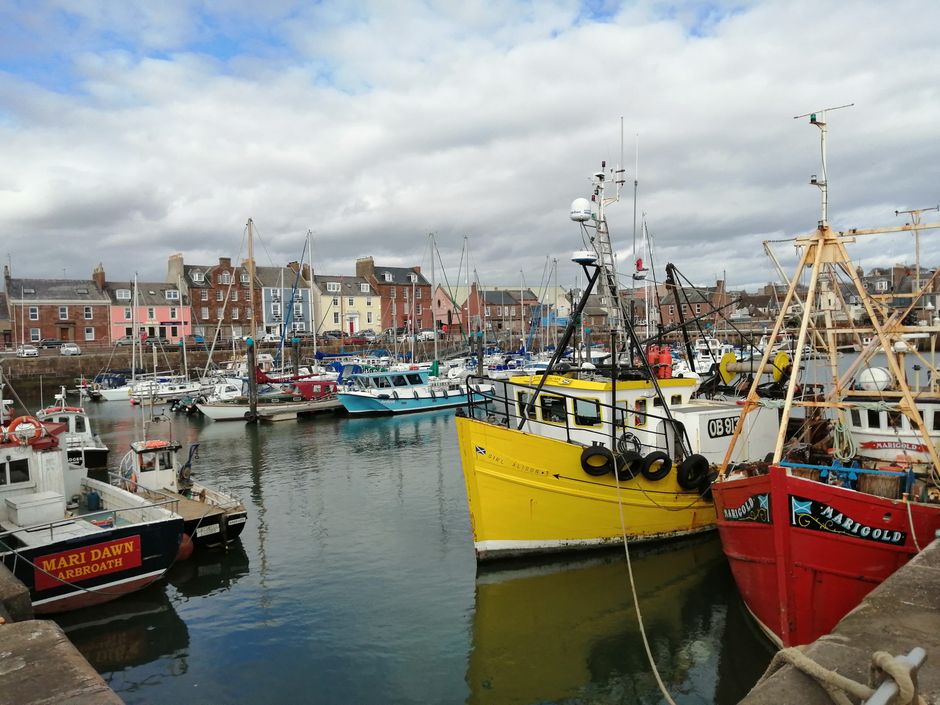
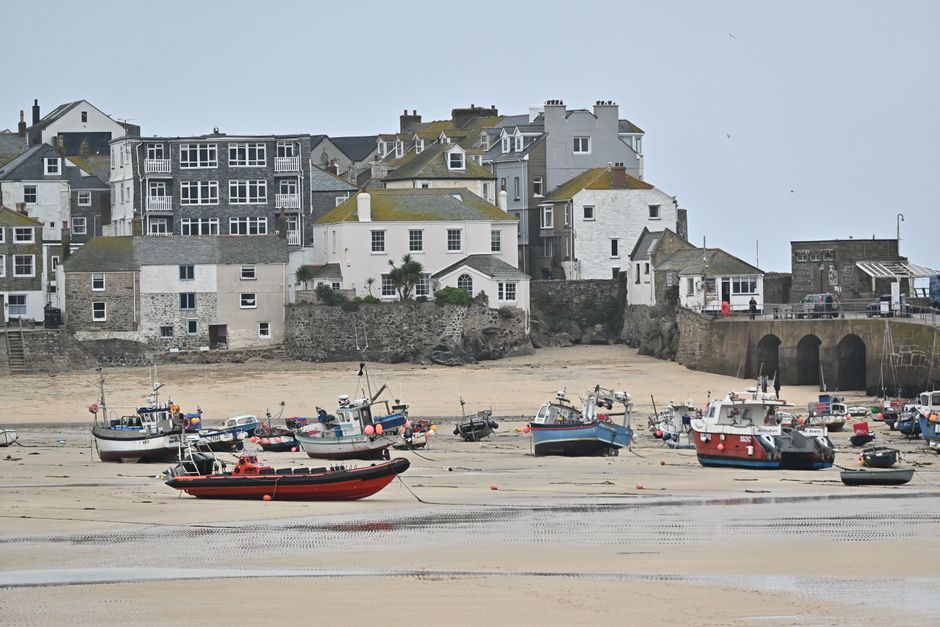
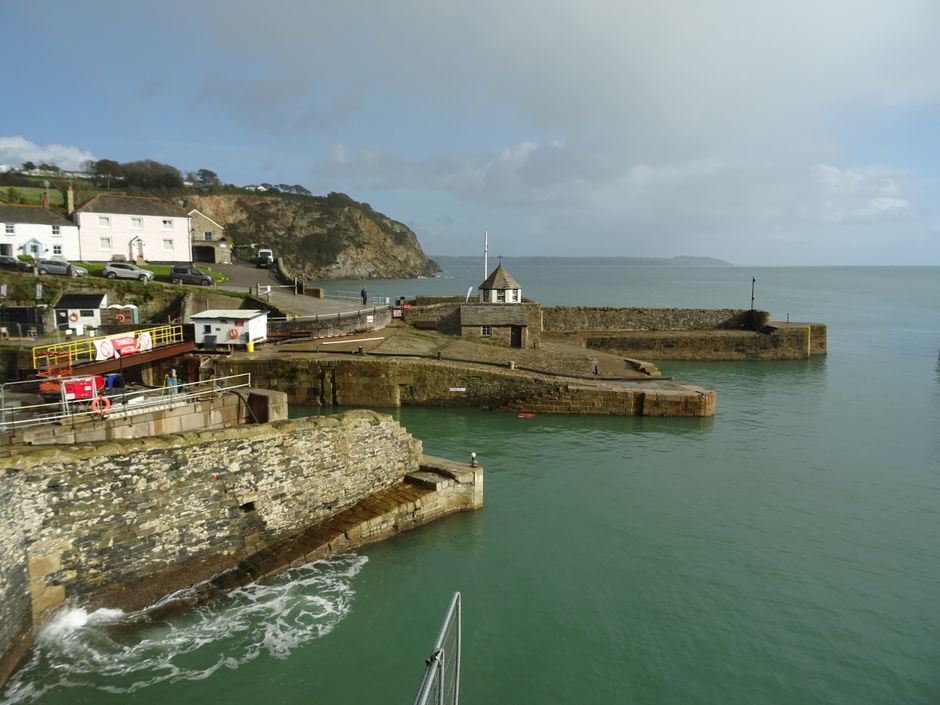
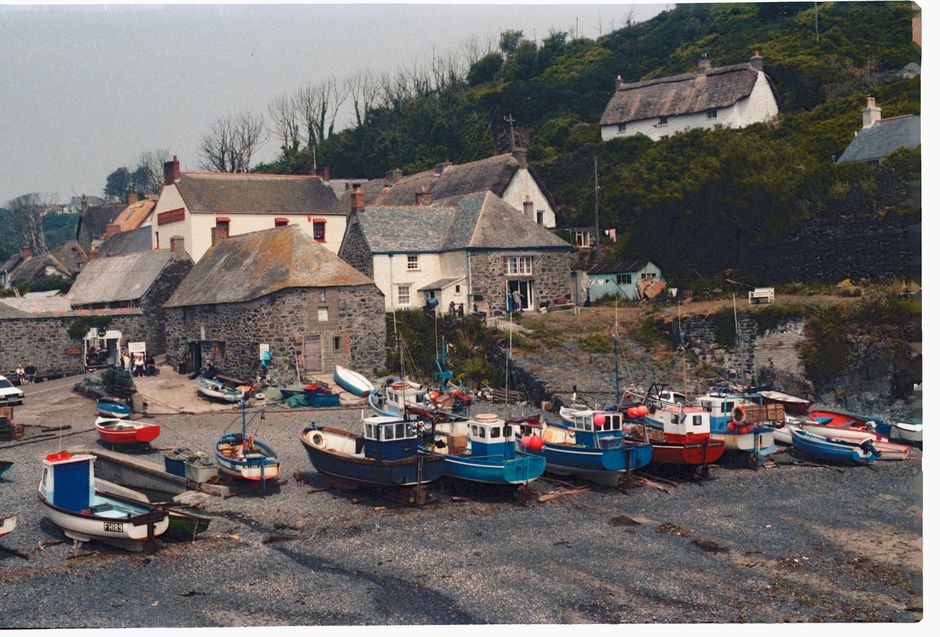
Pittenweem is a small fishing village in the East Neuk of Fife, its harled houses and red-tiled roofs gathered around a working harbour that remains the busiest in the East Neuk. It is known for its medieval priory, its holy cave and its long fishing past.
The story of Pittenweem
Pittenweem Priory was founded in the 12th century as a cell of the Augustinian priory on the Isle of May, and the cave beneath the priory, known as St Fillan's Cave, is traditionally associated with the 8th-century Irish monk St Fillan, who is said to have lived and preached there. The village received its burgh charter in the 13th century and grew as a fishing and trading port, with the harbour rebuilt in stone in the 16th century and improved many times since to shelter the herring and white-fish fleets. In January 1705 the Pittenweem witch trial saw Janet Cornfoot and others accused of witchcraft; Cornfoot was tortured and killed by a mob, one of the last such events in Scotland. Pittenweem remains the principal fishing port of the East Neuk, with boats still landing crab, lobster and white fish at the harbour daily.
Visiting with care
Follow the Fife Coastal Path into Pittenweem, visit the priory and St Fillan's Cave, and watch the boats land their catch at the working harbour. The village's narrow closes and old houses are best explored on foot.
Interesting facts
- Pittenweem Priory was founded in the 12th century as a cell of the Augustinian priory on the Isle of May.
- St Fillan's Cave, beneath the priory, is traditionally associated with the 8th-century monk St Fillan.
- In January 1705 Janet Cornfoot was killed in the Pittenweem witch trial, one of the last such events in Scotland.
- Pittenweem remains the busiest working fishing harbour in the East Neuk of Fife.
Getting there
Parking and access details — check locally for the latest information.