About Crail
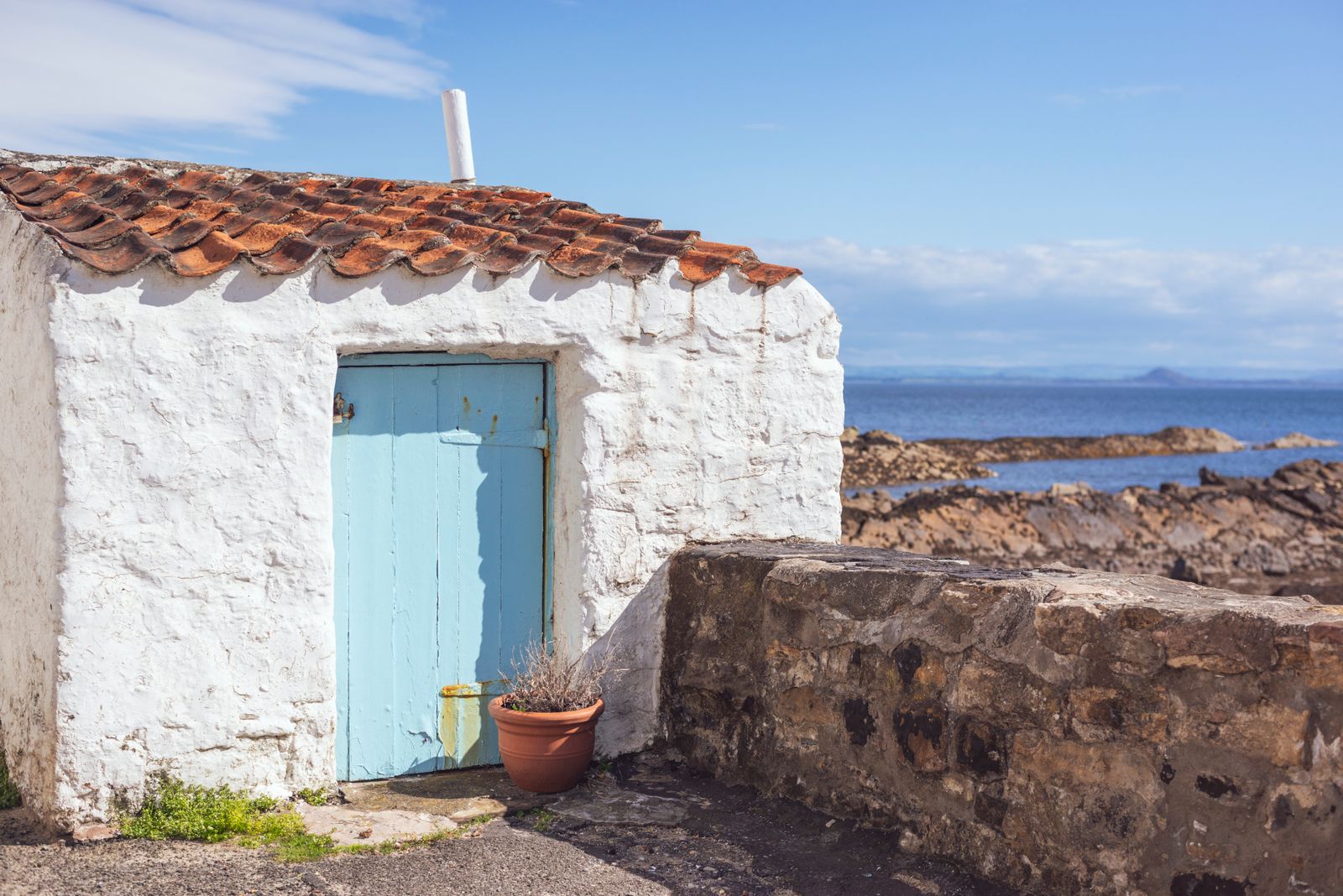
Crail is one of the best-known East Neuk fishing villages of Fife, its red-tiled roofs, harled walls and small curved harbour clustered above the Firth of Forth. It is a royal burgh with a medieval street plan and a working harbour where lobster and crab are still landed.

Things to do in Crail
Follow the Fife Coastal Path through the East Neuk and stop in Crail for the harbour, the museum and fresh crab sandwiches. The golf course, the churchyard and the short walk to Fife Ness make a varied visit.
Visitor logistics
Parking & access
- Getting there
- Road via the A917 from St Andrews or the A915; bus services along the East Neuk.
Accessibility
- Wheelchair
- Not yet confirmed
- Pushchair
- Not yet confirmed
Dogs
- Policy
- Not yet confirmed
Prices
- Entry
- Not yet confirmed
Know something we haven't confirmed? Tell us and we'll check it.
Visiting with care
- Check the weather and tide times before you go; conditions on the coast change quickly.
- Opening hours, access and charges change by season, so confirm them with the operator on the day.
- Keep to paths and follow local signs, especially near cliff edges, slipways and wildlife.
What's in Crail
Crail has facilities (hotels); food and drink (pubs, cafés); history and culture (museum); other (pottery, golf course). Availability can be seasonal, so check before a special trip.
Facilities
- Hotels
Food & drink
- Pubs
- Cafés
History & culture
- Museum
Other
- Pottery
- Golf course
Crail history
Crail became a royal burgh in 1178, in the reign of William the Lion, and its mercat cross and a tolbooth whose tower dates from about 1600 survive in the town centre. It prospered for centuries as a fishing port, and Robert the Bruce granted it the right to hold markets on a Sunday.
Its east pier was described as newly built in 1610, and in 1828 Robert Stevenson rebuilt the west pier. Crail Golfing Society, formed in 1766 and described as the seventh-oldest golf club in the world, plays over the Balcomie links, laid out by Old Tom Morris in 1894.
Milestones
- 1178Crail became a royal burgh in 1178, in the reign of William the Lion.
- 1600Its mercat cross and a tolbooth whose tower dates from about 1600 survive in the town centre.
- 1610Its east pier was described as newly built in 1610.
- 1766Crail Golfing Society, formed in 1766 and described as the seventh-oldest golf club in the world, plays over the Balcomie links, laid out by Old…
- 1828In 1828 Robert Stevenson rebuilt the west pier.
Facts about Crail
Crail became a royal burgh in 1178, during the reign of William the Lion. Robert Stevenson rebuilt Crail's west pier in 1828. Crail Golfing Society, formed in 1766, is described as the seventh-oldest golf club in the world.
- The village sits on the Fife Coastal Path between Anstruther and St Andrews.
Getting to Crail and parking
Crail is in Crail, Fife, Scotland. Road via the A917 from St Andrews or the A915; bus services along the East Neuk. Tides, weather and seasonal timetables can all change access, so check them on the day you travel.
Crail: frequently asked questions
Where is Crail?
Crail is in Crail, Fife, Scotland. Road via the A917 from St Andrews or the A915; bus services along the East Neuk.
When is the best time to visit Crail?
May to September for the coastal path and harbour; weekends for the seafood stalls.
What is Crail known for?
Crail is one of the best-known East Neuk fishing villages of Fife, its red-tiled roofs, harled walls and small curved harbour clustered above the Firth of Forth.
Sources and further reading
Details on this page come from our editorial research. Check current access, opening times and charges with these official bodies before you travel:
- VisitScotland — official tourism board
- Historic Environment Scotland — listed buildings in Scotland
- Admiralty EasyTide — official UK tide predictions