- Newhaven is in East Sussex, England.
- Working fishing port on the Sussex coast
- Check access, weather and local guidance before travelling.
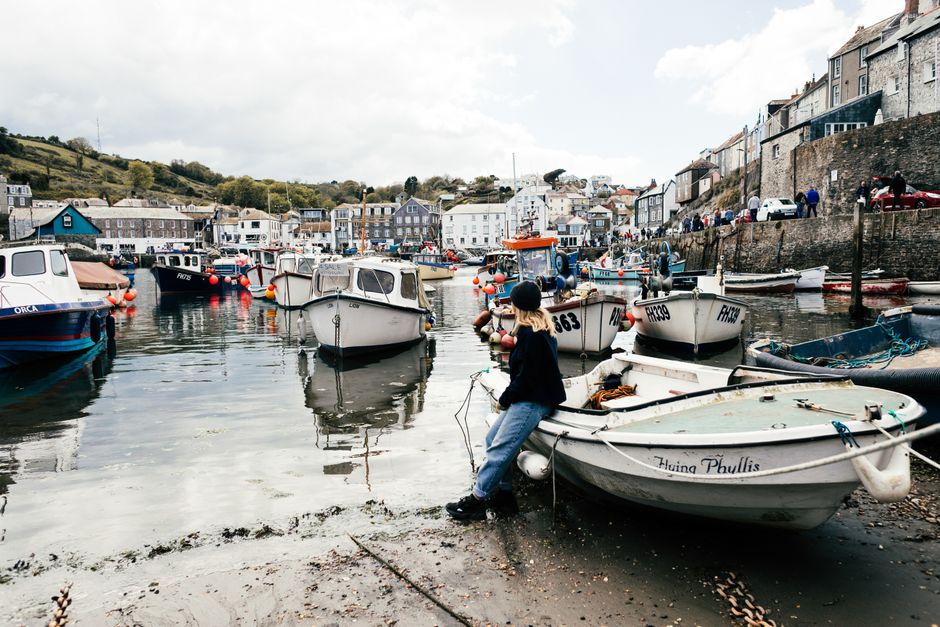
About Newhaven
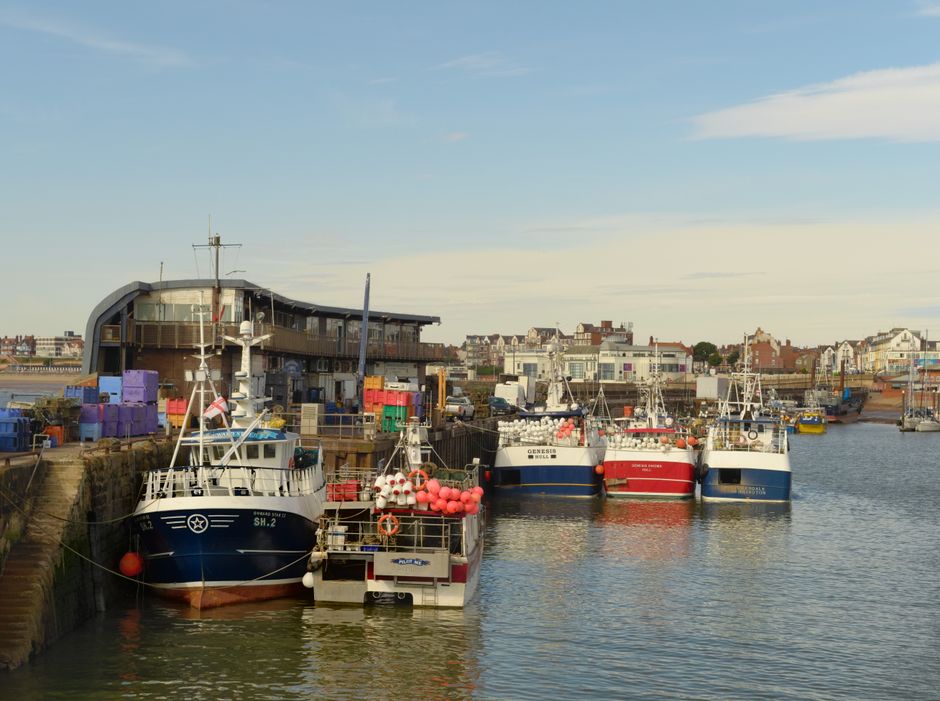
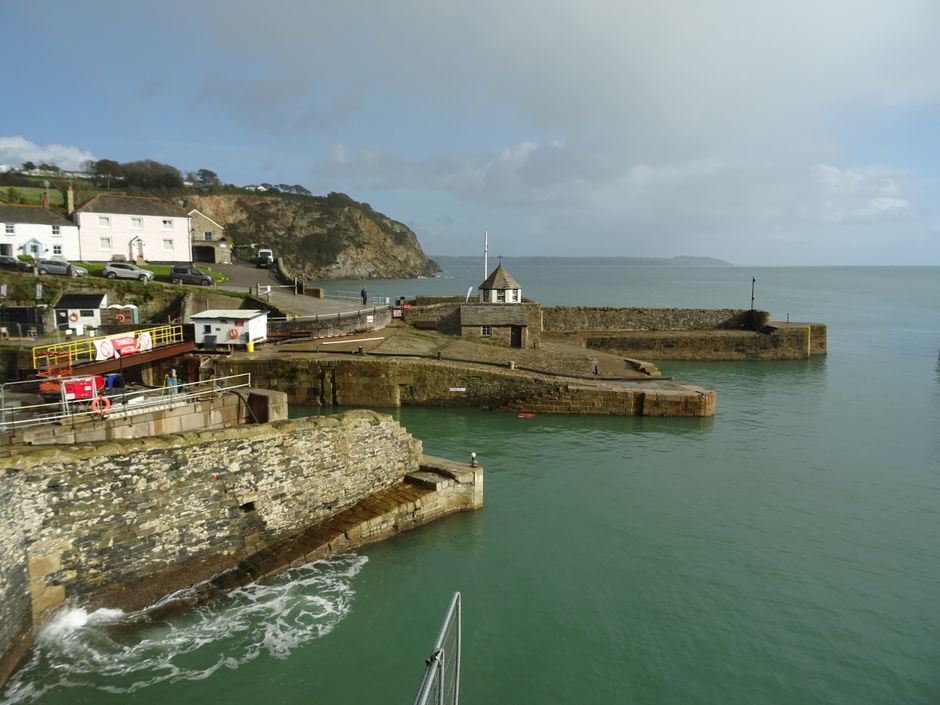
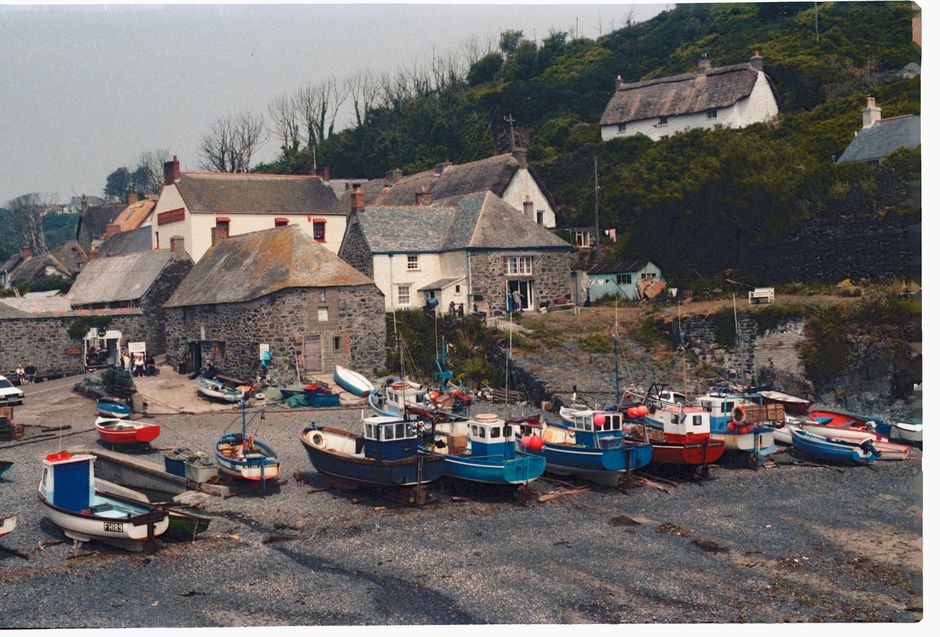
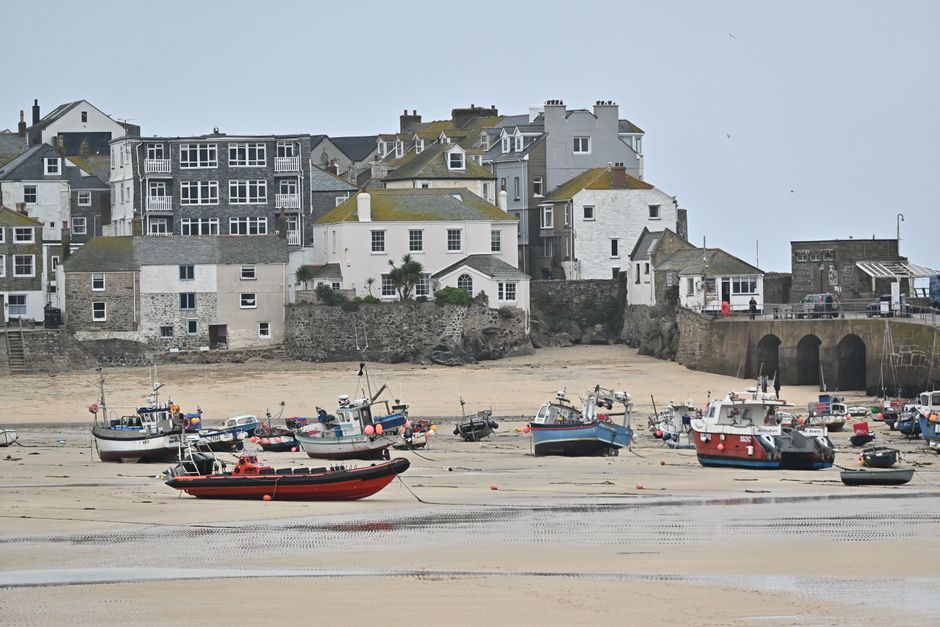
Newhaven is a working fishing village and port at the mouth of the River Ouse in East Sussex, founded in the 16th century as a harbour to replace the silted medieval port of Seaford. It retains a fishing fleet and ferry terminal and is dominated by its Victorian cliff-top fort.
The story of Newhaven
Newhaven was established in 1581 when a great storm broke through the shingle bar at the mouth of the River Ouse, creating a new harbour mouth that gave the village its name, and a cut was dug to channel the river through it; it superseded the older, silted port of Seaford. The harbour became a base for the local fishing fleet and for cross-Channel trade, with regular packet sailings to Dieppe developing from the early 19th century. Newhaven Fort, built between 1862 and 1871 as one of the Palmerston forts to guard the Sussex coast against French invasion, is the largest of the Sussex forts and is now a museum. During the First World War Newhaven was a major embarkation port for troops and supplies crossing to France, with a rail link built straight to the quayside to serve the traffic. The fishing fleet continues to land fish at the West Quay, and a car ferry to Dieppe runs from the harbour.
Visiting with care
Visit Newhaven Fort on the cliff top for its Victorian defences and war history, watch the fishing boats at the West Quay and take the car ferry to Dieppe. The coast path leads to Seaford Head and the Seven Sisters cliffs.
Interesting facts
- Newhaven was created in 1581 when a storm broke through the shingle bar at the mouth of the River Ouse.
- Newhaven Fort was built between 1862 and 1871 as part of the Palmerston defences against French invasion.
- In the First World War Newhaven was a major embarkation port for troops and supplies to France.
- A car ferry to Dieppe runs from the harbour, continuing a cross-Channel service dating to the early 19th century.
Getting there
Parking and access details — check locally for the latest information.