- Bamburgh is in Northumberland, England.
- Castle village on the Northumberland coast
- Check access, weather and local guidance before travelling.
About Bamburgh
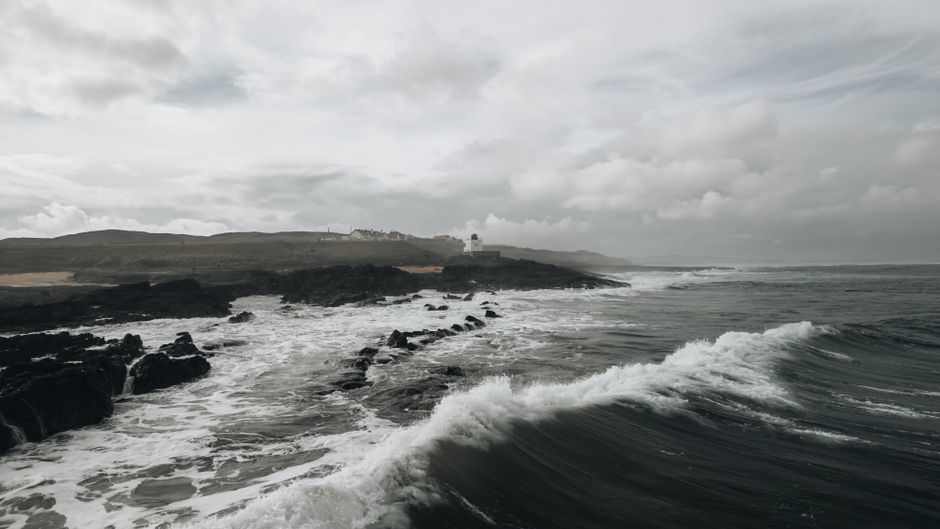
Bamburgh is a coastal village on the Northumberland coast dominated by its vast castle, which sits on a basalt outcrop above a sweeping sandy beach. The castle was the ancient seat of the kings of Northumbria and is one of the finest inhabited castles in Britain, while the village stretches along the wide sands below.
The story of Bamburgh
Bamburgh was the royal capital of the Anglo-Saxon kingdom of Bernicia and later Northumbria, with a fortress on the site recorded from at least the 6th century; the Irish monk Aidan came to Bamburgh in 635 at the invitation of King Oswald and died in the village in 651, with St Aidan's Church said to mark the spot of his wooden church. The castle withstood Viking sieges but was finally captured by the Normans in 1095 and rebuilt in stone. On 7 September 1838 the steamship Forfarshire was wrecked on the Farne Islands in a storm, and Grace Darling, the lighthouse keeper's daughter, rowed out with her father to rescue nine survivors, becoming a national heroine. The castle had fallen into ruin by the 18th century but was restored from 1894 by the industrialist William Armstrong, 1st Baron Armstrong, whose family still own it, and the village grew around it on the wide sands below.
Visiting with care
Visit Bamburgh Castle, still owned by the Armstrong family, and St Aidan's Church with its medieval crypt, then walk the sweeping beach below the castle walls. The RNLI Grace Darling Museum in the village tells the story of the 1838 rescue.
Interesting facts
- Bamburgh was the royal capital of the Anglo-Saxon kingdom of Northumbria from the 6th century.
- St Aidan came to Bamburgh in 635 and died in the village in 651, founding its medieval church.
- Grace Darling rowed out in a storm on 7 September 1838 to rescue survivors of the wrecked Forfarshire.
- The castle was restored from 1894 by the industrialist William Armstrong, 1st Baron Armstrong.
Getting there
Parking and access details — check locally for the latest information.