- Donna Nook NNR is in Lincolnshire, England.
- Major grey seal pupping colony on the Lincolnshire coast
- Check access, weather and local guidance before travelling.
About Donna Nook NNR
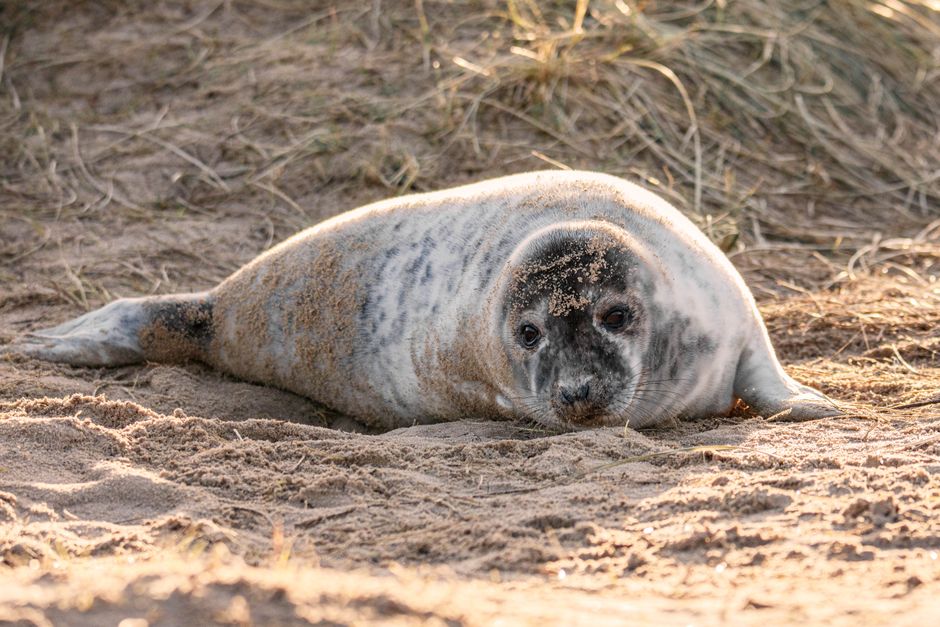
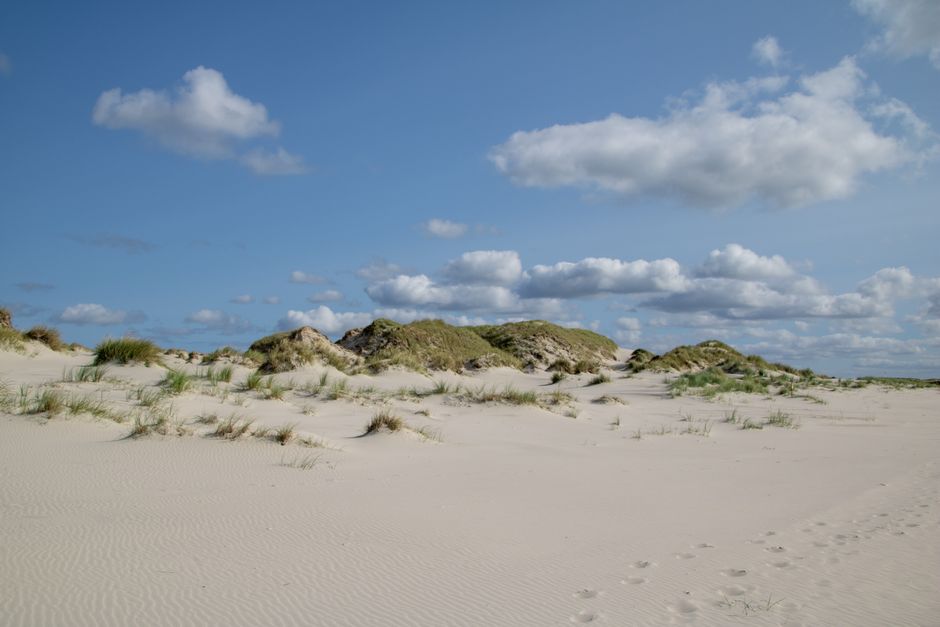
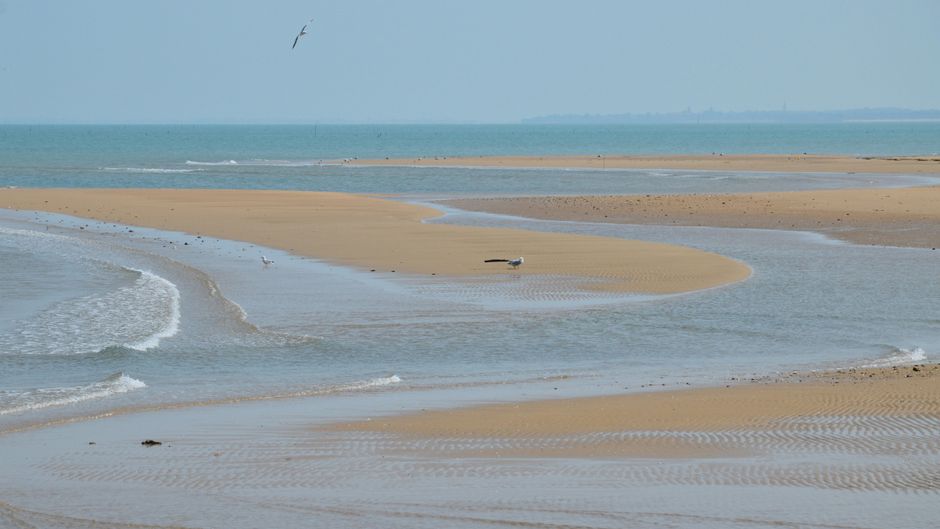
Donna Nook National Nature Reserve on the Lincolnshire coast north of North Somercotes protects a stretch of sand dunes, dune slacks and intertidal mudflats along the southern shore of the Humber. It is best known as one of the largest and most accessible grey seal pupping colonies in England, where thousands of pups are born on the beaches each winter.
The story of Donna Nook NNR
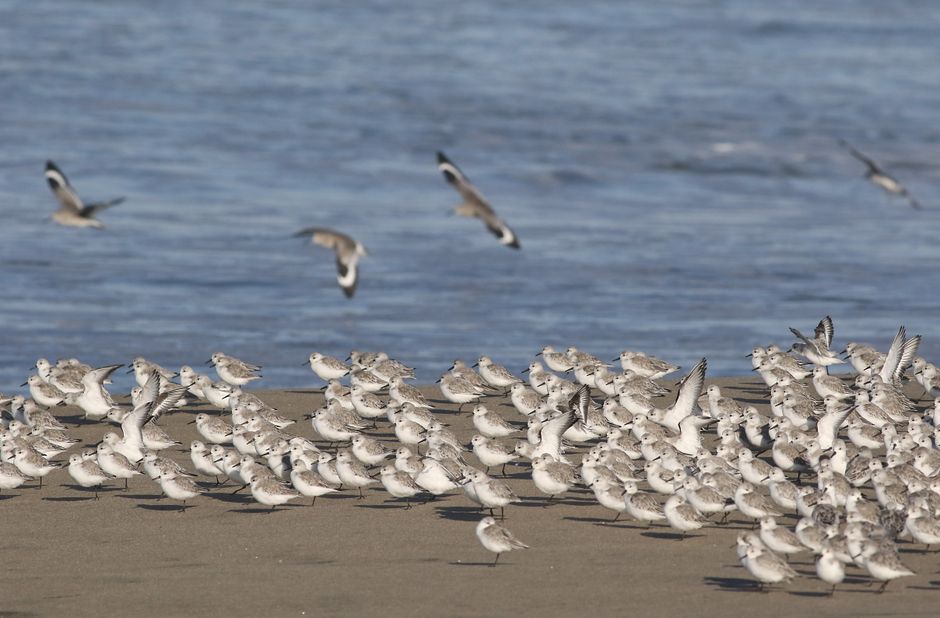
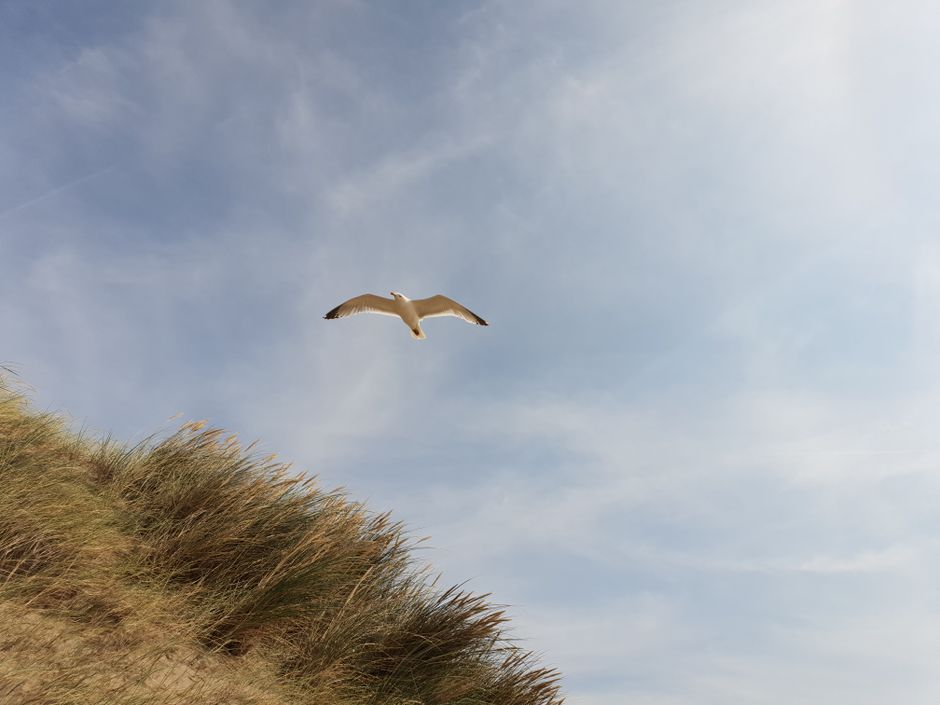
Donna Nook was declared a National Nature Reserve in 2002 and is managed by the Lincolnshire Wildlife Trust, which has looked after the site since 1979. Unusually for an NNR, the land is owned by the Ministry of Defence and remains an active bombing range, with the seals pupping undisturbed on the beach beyond the range boundary. The grey seal colony has grown from just a handful of pups in the early 1970s to over 2,000 births in good years, making it one of the largest colonies in England, and the reserve now forms part of the wider Lincolnshire Coast Coronation Coast nature reserve. The dunes and saltings also support over 250 recorded bird species, including passage migrants and breeding terns.
Visiting with care
Park at the Donna Nook visitor car park and walk to the viewing area overlooking the seal colony; volunteer wardens are on hand during the pupping season to explain the seals' behaviour. Keep behind the fences and never approach the seals, as mothers may abandon pups that smell of humans or dogs; dogs are not permitted near the colony.
Interesting facts
- Donna Nook was declared a National Nature Reserve in 2002 and is managed by the Lincolnshire Wildlife Trust, which has cared for the site since 1979.
- The land is owned by the Ministry of Defence and remains an active bombing range, with seals pupping undisturbed beyond the range boundary.
- The grey seal colony has grown from a handful of pups in the early 1970s to over 2,000 births a year, one of the largest in England.
- Over 250 bird species have been recorded on the dunes and saltings, including snow bunting, redshank and breeding terns.
Getting there
Parking and access details — check locally for the latest information.