- Bempton Cliffs NNR is in East Yorkshire, England.
- Seabird cliffs, RSPB-managed reserve
- Check access, weather and local guidance before travelling.
About Bempton Cliffs NNR
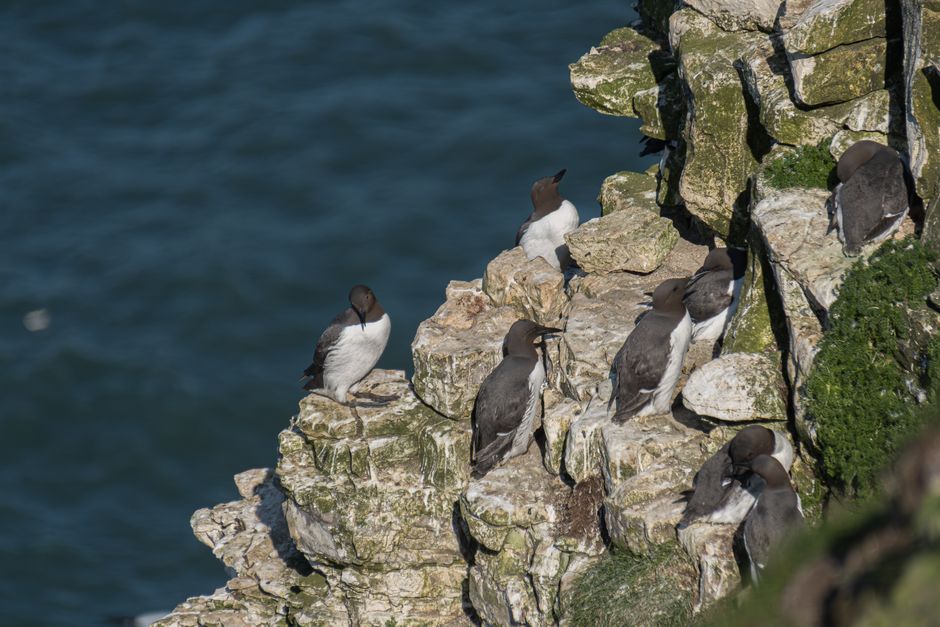
Bempton Cliffs National Nature Reserve on the East Yorkshire coast protects six miles of towering chalk cliffs from Flamborough Head towards Filey, the highest chalk cliffs in northern England. Managed by the RSPB, the reserve is home to England's largest mainland seabird city, with around half a million birds gathering on the cliff ledges each summer.
The story of Bempton Cliffs NNR
Bempton's seabirds were once slaughtered in their thousands for sport, with day-trippers hiring steam yachts to shoot the cliffs in the mid-19th century; the outcry led by clergymen and a sympathetic MP resulted in the Seabird Preservation Act of 1869, one of the first wildlife protection laws in Britain. The RSPB acquired and began managing the cliffs as a nature reserve in the 20th century, and the site now forms part of the Flamborough and Filey Coast Special Protection Area. The reserve is home to the UK's largest mainland gannet colony, with over 11,000 breeding pairs, alongside puffins, guillemots, razorbills and kittiwakes, and a new seabird centre opened in 2015.
Visiting with care
Park at the RSPB visitor centre at Bempton and follow the level clifftop path to the viewing platforms at Bartlett Nab and New Roll-up, where gannets, puffins and guillemots can be watched at close range. Bring binoculars and a hat for wind and diving birds, and stay on the fenced viewpoints above the sheer drops; the clifftop paths are level and accessible for pushchairs.
Interesting facts
- Bempton's seabirds were once shot for sport until the Seabird Preservation Act of 1869, one of Britain's first wildlife protection laws.
- The reserve holds the UK's largest mainland gannet colony, with over 11,000 breeding pairs nesting on the chalk cliffs.
- Around half a million seabirds gather on the cliffs between March and August, including puffins, guillemots, razorbills and kittiwakes.
- The reserve is managed by the RSPB and forms part of the Flamborough and Filey Coast Special Protection Area.
Getting there
Parking and access details — check locally for the latest information.