- South Stack Lighthouse is in Anglesey, Wales.
- Popular visitor centre
- Check access, weather and local guidance before travelling.
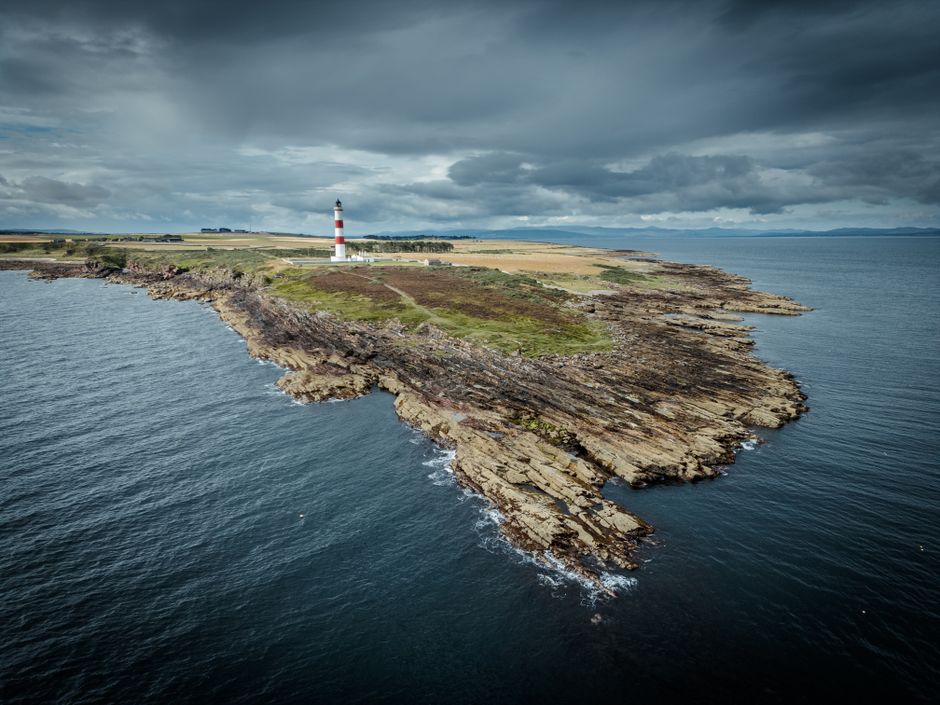
About South Stack Lighthouse
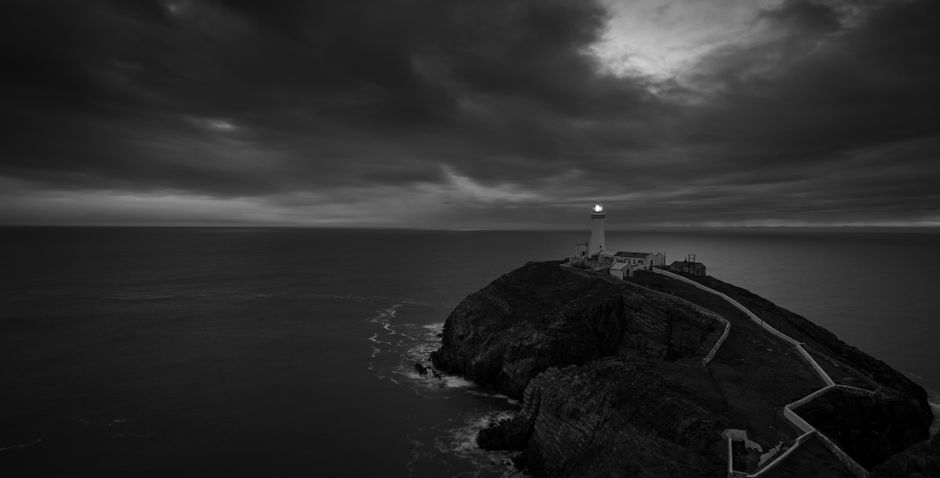
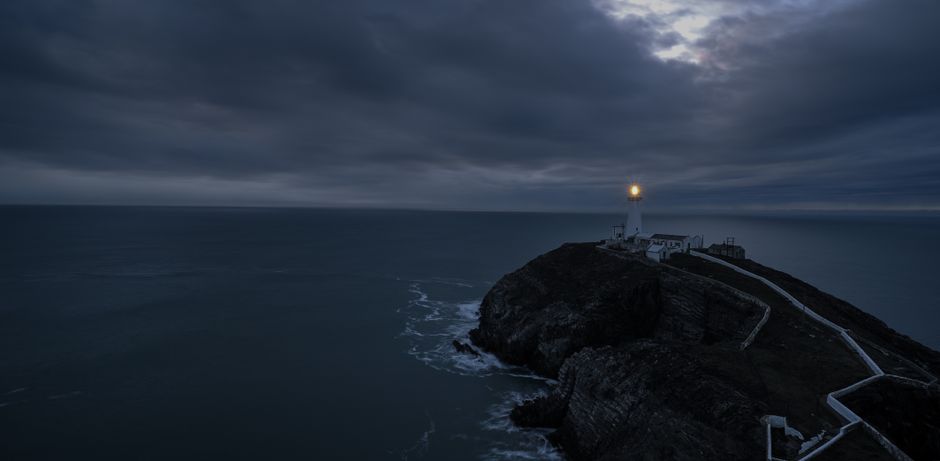
South Stack Lighthouse stands on a small islet off Holyhead Mountain on Anglesey, reached by a dramatic descent of 400-plus steps and a suspension bridge across a chasm. It is one of Wales's most popular and most visited lighthouses.
The story of South Stack Lighthouse
The first lighthouse on South Stack was built in 1809 to a design by Daniel Alexander, intended to guide vessels through the busy Irish Sea route past Anglesey. The present tower, rebuilt in 1859 by James Walker of Trinity House, replaced the original. A new suspension bridge was built in 1859 to replace the earlier rope-and-basket arrangement keepers had used. The lighthouse was automated in 1983 and opened to the public by Trinity House as a visitor centre shortly afterwards.
Visiting with care
Open from spring to autumn with a visitor centre, café and shop, and guided climbs up the tower. The descent and ascent of the 400-plus steps and the bridge crossing require reasonable mobility, and the site can close in high winds. The surrounding RSPB reserve is exceptional for seabirds and choughs.
Interesting facts
- The first lighthouse was built in 1809 by Daniel Alexander.
- The present tower was rebuilt in 1859 by James Walker.
- Reached by 400-plus steps and a suspension bridge across a chasm.
- Automated in 1983 and now run as a visitor centre.
Getting there
Parking and access details — check locally for the latest information.